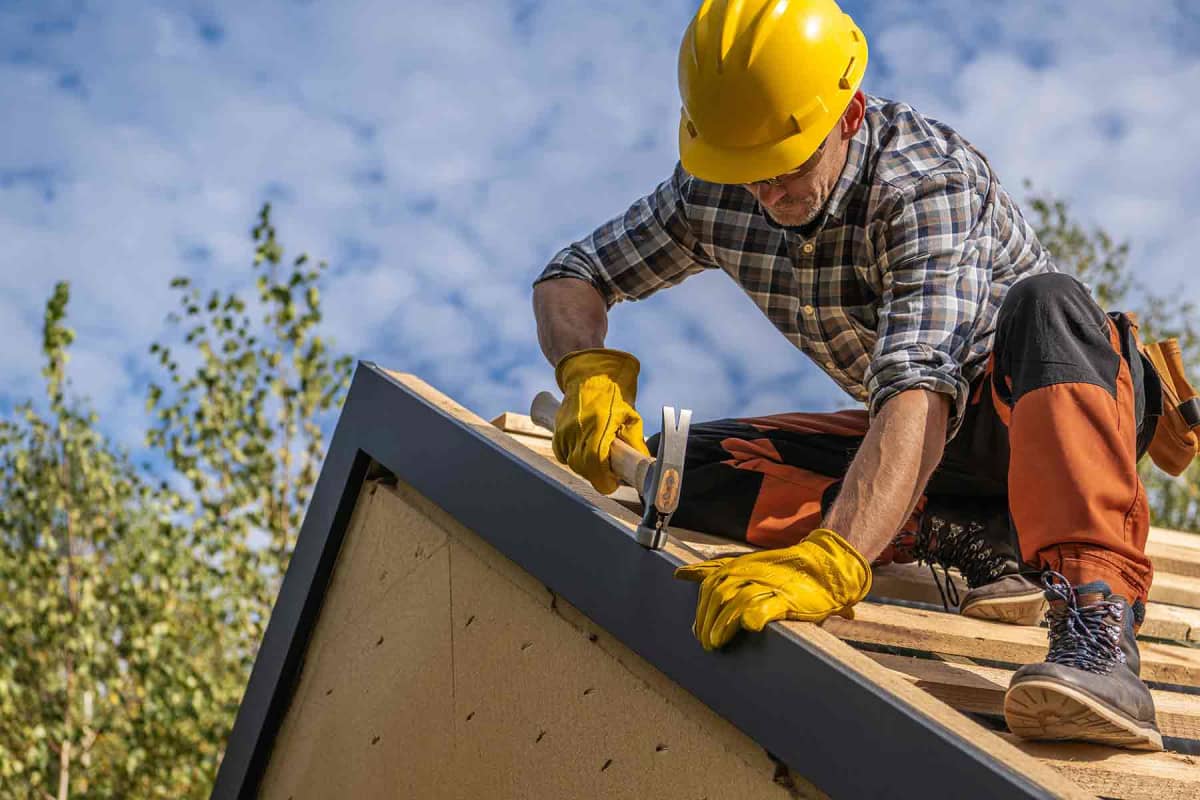
How much does it cost to build a house yourself?
How much does it cost to build a house yourself?
$100 – $200 average cost per square foot
$150,000 – $500,000 average total cost

Average cost to build a house yourself
The cost to build a house yourself ranges anywhere from $90 to $450 per square foot, but most people spend $100 to $200 per square foot, or $150,000 to $500,000 for an average-sized home. The total cost to build your own home depends heavily on the home size, location, material and finish quality, and which tasks you handle versus hiring professionals.
| Home size (square feet) | Average cost | Low to high range |
|---|---|---|
| 500 | $50,000 – $100,000 | $45,000 – $225,000 |
| 1,500 | $150,000 – $300,000 | $135,000 – $675,000 |
| 2,000 | $200,000 – $400,000 | $180,000 – $900,000 |
| 2,500 | $250,000 – $500,000 | $225,000 – 1,125,000 |
| 3,000 | $300,000 – $600,000 | $270,000 – $1,350,000 |
DIY home building cost breakdown
Building a house yourself can save you 20% to 40% in labor costs when taking on the general contractor role and handling some projects yourself. However, DIY house construction takes much longer than a professional build, extending your timeline significantly and potentially adding interim costs that reduce your savings.
The following table shows the typical cost distribution for a 2,000-square-foot DIY home build.
| Cost category | Average cost | Percentage of total |
|---|---|---|
| Materials | $110,000 – $260,000 | 55% – 65% |
| Professional labor (specialized trades only) | $30,000 – $100,000 | 15% – 25% |
| Site preparation and utilities | $16,000 – $40,000 | 8% – 10% |
| Permits, fees, and inspections | $4,000 – $12,000 | 2% – 3% |
| Tools and equipment rental | $6,000 – $20,000 | 3% – 5% |
| Contingency / miscellaneous costs | $4,000 – $28,000 | 2% – 7% |
Materials costs
Materials form the largest expense category in DIY construction. When working with contractors, building materials cost 25% to 30% of the total project, but this percentage increases to 55% to 65% when building yourself since you're eliminating most labor costs.
Major material categories include:
Foundation materials: Concrete; concrete blocks; rebar; pressure treated lumber
Framing lumber: Dimensional lumber; engineered beams
Roofing: Shingles; underlayment; flashing
Siding: Vinyl, fiber cement, or wood
Interior materials: Drywall, flooring, trim, paint, light fixtures, cabinets, countertops, plumbing fixtures, and more.
Professional labor costs
Even when building yourself, certain tasks require licensed professionals. Most municipalities won't issue plumbing permits to an unlicensed individual, making professional help necessary for code compliance.
The table below shows the average labor rates for professionals you may need to hire when building your own home.
| Professional | Labor cost per hour |
|---|---|
| Excavating contractors | $100 – $300 |
| Plumbers | $75 – $150 |
| Electricians | $50 – $130 |
| Roofers | $30 – $100 |
| Carpenters & framing contractors | $30 – $100 |
| Siding contractors | $40 – $80 |
| Insulation contractors | $40 – $80 |
| Drywall contractors | $40 – $100 |
| Painters | $20 – $70 |
| Flooring installers | $20 – $70 |
| HVAC installers | $75 – $150 |
| Landscapers | $25 – $50 |
Pre-construction costs
Before breaking ground, you'll face several expenses. These upfront costs often catch first-time builders off guard, but they are essential for a successful project.
Land acquisition and preparation
Land costs vary dramatically by location. You could pay anywhere from $10,000 to $250,000+ for an average-sized plot, with rural areas offering more affordable options than urban locations.
Land preparation includes:
Site clearing costs $1,200 to $8,000 per acre.
Excavation costs range from $1,500 to $10,000 or more.
Leveling land for new construction costs $1,000 to $5,000.
Soil testing costs $1,000 to $5,000.
A land survey costs $2,000 to $5,000.
Architectural plans and permits
You'll need blueprints in order to get building permits and create detailed reference drawings for construction.
House plans cost $5,000 to $30,000 on average, though you can save money by purchasing pre-designed plans online.
Building permits and inspections add $1,000 to $5,000 to your budget, depending on local requirements and home complexity.
Consult with your local building department before buying pre-designed plans online, as many cities require a local architect or structural engineer to sign off on all house construction plans.
Major construction phases and costs
Breaking down your home construction project into phases helps you see when and where money is used, which can be helpful for financial planning.
Foundation work
Foundation costs range from $6 to $50 per square foot depending on the foundation type. This is one portion of the construction process that you should leave to an expert, as mistakes here will lead to issues at every other step.
Foundation options include:
Slab-on-grade: Most economical option
Crawl space: Moderate cost; good access to utilities
Full basement: Most expensive option but adds living space
Framing and structural work
Building your house into your desired shape, a process called framing, costs about $22,000 to $60,000 for a 2,000-square-foot home. This phase shows dramatic progress as your home takes shape.
Framing a house involves:
Floor systems: Joists; subflooring; beams
Wall framing: Studs; headers; plates
Roof structure: Rafters or trusses; sheathing
Roofing system
Weather protection becomes critical once you complete the framing, making roofing a high-priority phase of your home construction. When hiring a professional, a new roof costs $8,500 to $16,800+ installed for a 2,500-square-foot home. Materials make up about $2,800 to $7,000 of that total.
Mechanical systems
Plumbing, electrical, and HVAC installation requires coordination with inspectors and careful planning. These systems get installed before insulation and drywall, making changes difficult later. Unless you are licensed in these trades, you may need to hire professionals for the installations to be code compliant in many areas.
Rough-in plumbing costs for new construction range from $4 to $5+ per square foot.
New electrical wiring costs $4 to $9+ per square foot.
HVAC installation costs $7,000 to $16,000+ for the system and ductwork.
Interior finishing
Once the home's foundation, framing, and all structural components are complete, interior work includes insulation, drywall, flooring, cabinetry, and trim. Many DIY builders handle these tasks themselves since they don't require specialized licenses and offer substantial labor savings.
Kit homes as a DIY option
Kit homes offer an alternative approach to DIY construction that can simplify the building process while maintaining cost savings. With home kits, your new home is delivered directly to your door, ready for assembly. However, you'll need to budget for shipping, land, permits, site preparation, foundation, utility hookups, and finish work in addition to the kit price.
DIY home kit options range from stripped-down shells to complete packages with siding, roofing, windows, and insulation. The table below shows the average price per square foot for various kit-style homes.
| Type | Price per square foot (kit only) |
|---|---|
| Pole barn kit prices | $10 – $30 |
| Log cabin kit prices | $50 – $100 |
| Metal building kit prices | $10 – $25 |
| Barndominium kit prices | $20 – $35 |
Kit home pros and cons
Kit-style homes offer several advantages, including lower material costs and faster assembly. However, kit prices exclude major costs like land, permitting, and required trades for finishing or code compliance. Additionally, site prep and assembly still require construction skills.
| Pros | Cons |
|---|---|
|
|
Factors that affect the cost to build a house by yourself
Several variables significantly influence your final construction costs when building a home yourself:
DIY skill level: Your construction experience determines which tasks you can handle safely and effectively. Inexperienced builders may need more professional help, reducing potential savings.
Seasonal timing: Building during the offseason, when subcontractors are in lower demand, can reduce professional labor costs. However, weather delays may offset these savings in some climates.
Material choices: Material selection dramatically impacts costs. Choosing between basic and premium options can double material expenses. Balance initial costs with long-term durability and maintenance needs when making selections.
Geographic location
Building a house in a desirable neighborhood could be twice the price of building the same house somewhere more rural. Location affects both material and labor costs, with coastal and urban areas commanding premium prices.
Regional cost differences include:
Material transportation: Home builders in remote areas pay more for delivery.
Labor availability: Limited contractor pools increase prices.
Building codes: Stricter requirements add costs.
Climate considerations: Building a home in an area with severe weather requires enhanced construction.
Home size and complexity
Just one extra 11-by-12-foot bedroom (132 square feet) can add $20,000 or more to the overall cost. Simple, rectangular designs cost less than complex layouts with multiple angles and rooflines.
Design elements that increase costs include:
Vaulted ceilings
Multiple roof lines
Bay windows and dormers
Multiple stories
Building yourself vs. hiring professionals
Building your own home offers significant advantages, but it's also a huge undertaking that presents substantial challenges. Carefully consider both sides so you can make an informed decision about whether DIY construction fits your situation.
| Pros | Cons |
|---|---|
|
|
Financing your DIY build
Construction financing differs from traditional mortgages. Most lenders require detailed plans, budgets, and proof of construction experience before approving loans. Common financing options include:
Construction-to-permanent loans: Convert to standard mortgage upon completion
Construction-only loans: Require separate permanent financing
Personal loans: Smaller projects or partial financing
Cash payments: Avoids interest but ties up substantial capital
FAQs about building a house yourself
How much can I really save building a house myself?
Building a house yourself can save you 20% to 40% in labor costs, though actual savings depend on which tasks you handle personally versus hiring professionals. Most DIY builders save $50,000 to $150,000 on a typical home but invest significantly more time in the process.
What tasks should I never do myself?
Foundation work, electrical installation, plumbing, and HVAC systems require professional expertise for safety and code compliance. Most cities won't give you a permit unless you are licensed, which means you'll likely need to hire a professional.
How long does it take to build a house yourself?
Building a house yourself takes twice as long as a professional build in most cases, with timelines ranging from 12 to 30 months on average, depending on the home complexity and your available time. Weather, permit delays, and learning curves often extend initial estimates.
What's the cheapest way to build a house yourself?
The cheapest homes to build yourself are small, simple designs using standard materials. Container homes, barn-style homes, modular homes, and tiny houses often offer the lowest price point when building a house yourself. However, these options limit customization and may not suit all lifestyles.
Should I act as my own general contractor?
Serving as your own general contractor saves money but requires significant project management skills as well as people skills. You'll coordinate subcontractors, inspections, material deliveries, and ensure code compliance. Consider your available time and management experience before taking on this responsibility.
What's the biggest mistake DIY builders make?
Underestimating costs and timelines ranks as the most common error. Hidden expenses, change orders, and learning curves often push budgets 20% to 50% higher than initial estimates. Build substantial contingencies into your budget and timeline to handle unexpected challenges.
Hiring building professionals
Hiring skilled professionals for parts of your home build that require licensing or expertise is critical for safety, code compliance, and quality. Whether you're evaluating local framing contractors, foundation professionals, electricians, plumbers, or any other trade, follow these guidelines to help you select the best pro for the job:
Verify their licenses, certifications, and insurance.
Ask about their experience with projects similar in scope and complexity to yours.
Request to see a portfolio of completed work or visit current job sites if possible.
Look for positive reviews on trusted sites like HomeGuide and Google.
Confirm their ability to provide written estimates that detail labor, materials, and timelines.
Confirm availability matches your project schedule to avoid delays.
Clarify payment terms and willingness to provide a detailed written contract.
Questions to ask building pros
To ensure the best results and protect your investment, consider asking these important questions before signing any contracts:
Can you provide proof that you are licensed, bonded, and insured?
How long have you been in business, and how many similar projects have you completed?
Can you provide references from recent clients with comparable projects?
What is the detailed scope of work included in your estimate or bid?
Is your bid a fixed price or an estimate? How do you handle change orders?
How do you manage scheduling and potential delays due to weather or material shortages?
Who are your main suppliers, and how do you ensure quality materials?
What is your warranty on both labor and materials?
How do you communicate progress and handle unexpected issues during the project?
Will you obtain all necessary permits and schedule inspections required by local authorities?
How do you ensure safety on the job site, and what measures do you take for cleanup?
Using our proprietary cost database, in-depth research, and collaboration with industry experts, we deliver accurate, up-to-date pricing and insights you can trust, every time.