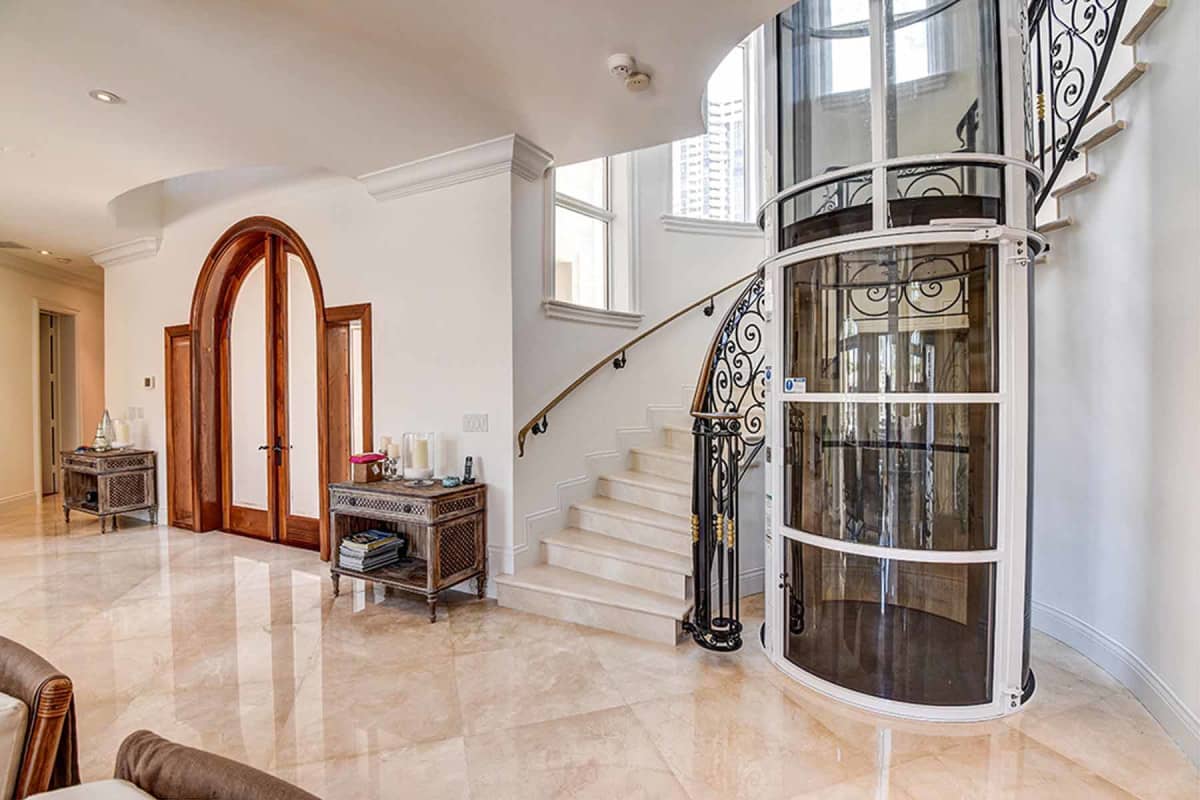
How much does a pneumatic vacuum elevator cost?
How much does a pneumatic vacuum elevator cost?
$35,000 – $50,000 average cost installed (1 person)
$50,000 – $75,000 average cost installed (2 person)
$75,000 – $100,000 average cost installed (wheelchair accessible)

Pneumatic vacuum elevator cost
A pneumatic vacuum elevator costs $35,000 to $100,000+ total for the unit and professional installation. Prices vary based on the location, model size, features, and installation complexity. Larger elevator models, premium features, and installations requiring extensive structural modifications fall at the high end of the price range.
| Model type | Total cost installed | Diameter (inches) |
Capacity (pounds) |
|---|---|---|---|
| PVE30 (single passenger) | $35,000 – $50,000+ | 30" | 350 |
| PVE37 (two passengers) | $50,000 – $75,000+ | 37" | 450 |
| PVE52 (wheelchair accessible) | $75,000 – $100,000+ | 52" | 525 |
The PVE30 is the most compact model, fitting easily into tight spaces. It's ideal for single-passenger use and offers the most affordable entry point.
The PVE37 offers more room and can accommodate two people comfortably. This makes it the most popular choice among homeowners who want flexibility without sacrificing too much space.
The PVE52 provides wheelchair accessibility and the largest capacity. It fetches a higher price due to its size and enhanced capabilities.
What is a pneumatic vacuum elevator, and how does it work?
A pneumatic vacuum elevator is a shaftless elevator that uses air pressure to move the cabin between floors. The self-contained elevator sits inside a transparent cylindrical tube with powerful turbines located at the top.
To go up, the turbines remove air from above the cabin, creating a vacuum. This suction lifts the cabin upward smoothly and safely to the desired floor.
To come down, electronic valves gradually release air back into the tube. This controlled process allows the cabin to lower gently using gravity. The system requires no cables, pulleys, or hydraulic fluid.
Pneumatic elevator price factors
Several variables affect the cost of installing a shaftless home elevator like a PVE:
Number of floors and travel distance
The height your elevator needs to travel directly impacts the cost. A standard two-story installation typically costs less than a three- or four-story setup.
Most pneumatic vacuum elevators can travel up to 50 feet and serve up to five floors. Each additional floor stop increases both material and labor costs, adding $10,000 to $15,000 per floor beyond the basic two-story configuration.
Professional installation
While the elevator unit itself represents a significant portion of the cost, professional installation is essential for safe operation. Installation fees typically range from $5,000 to $15,000, depending on your home's structure and project complexity.
Most installations require a certified elevator installer to handle assembly, positioning, and calibration. You may also need to hire an electrician to ensure proper electrical connections, which adds $300 to $800+ to your total cost.
Project complexity
Your home's existing structure plays a major role in installation expenses. Pneumatic elevators require minimal construction compared to traditional elevators since they're self-supporting and don't need a pit or machine room. However, certain factors can increase costs.
Creating openings between floors for the elevator shaft typically runs $1,000 to $3,000 per floor.
Homes requiring electrical upgrades to accommodate the 220-volt power supply may need additional work, costing $500 to $2,000+.
If your ceiling height doesn't meet the minimum 8-foot clearance requirement, additional structural modifications may add $1,000 to $5,000 to your project.
Customization options
Standard pneumatic vacuum elevators come with clear polycarbonate panels. You can customize various features to match your home's aesthetic and personal preferences.
Custom finishes, tinted or colored glass panels, designer flooring, and leather seating can add $2,000 to $15,000 to your base cost. Smart home integration and advanced control systems add another $1,000 to $3,000.
Geographic location
Installation costs vary by region due to differences in labor rates, permit fees, and local building codes. Homeowners in urban areas with higher costs of living typically see installation prices at the higher end of the range. Permit fees alone can range from $200 to $2,000 depending on your municipality.
After installation, a certified technician must perform a final inspection to verify safety features are functioning correctly. Some areas require annual or biennial inspections, which cost $150 to $400+ per visit.
Maintenance and operating costs
Pneumatic vacuum elevators are known for their low maintenance requirements compared to traditional elevators. Annual maintenance costs range from $500 to $1,000, which is considerably less than the maintenance costs for hydraulic or cable-driven systems.
Energy costs are minimal since the elevator only uses electricity during ascents. Descent relies on gravity and controlled air release, significantly reducing electricity usage.
Pneumatic vacuum elevator FAQs
How long do pneumatic vacuum elevators last?
With proper maintenance, pneumatic vacuum elevators last 20 years or more. The lack of cables, pulleys, and hydraulic fluid means fewer components are subject to wear and tear. Seals may require replacement every four to five years or after approximately 15,000 rides. Sensors and valves occasionally need adjustment or replacement.
Are pneumatic vacuum elevators worth the cost?
Pneumatic vacuum elevators offer excellent value for homeowners seeking accessible, space-efficient vertical transportation. They require minimal maintenance, install quickly with little construction, and consume less energy than traditional elevators. The investment can allow you to age in place comfortably and may increase your home's value.
Can pneumatic vacuum elevators be installed in an existing home?
Yes, pneumatic vacuum elevators are ideal for retrofitting into existing homes. Their self-supporting design eliminates the need for pits or machine rooms, and they require minimal structural modifications.
Most installations can be completed within 2 to 3 days. This makes them a practical solution for homes where extensive construction isn't feasible.
How much electricity does a pneumatic vacuum elevator use?
Pneumatic vacuum elevators are highly energy-efficient, using electricity only during ascent. They typically consume about 4.7 kilowatts during upward travel.
Descent relies on gravity with controlled air release and requires no electricity. This makes them significantly more energy-efficient than traditional elevators that use power for both directions.
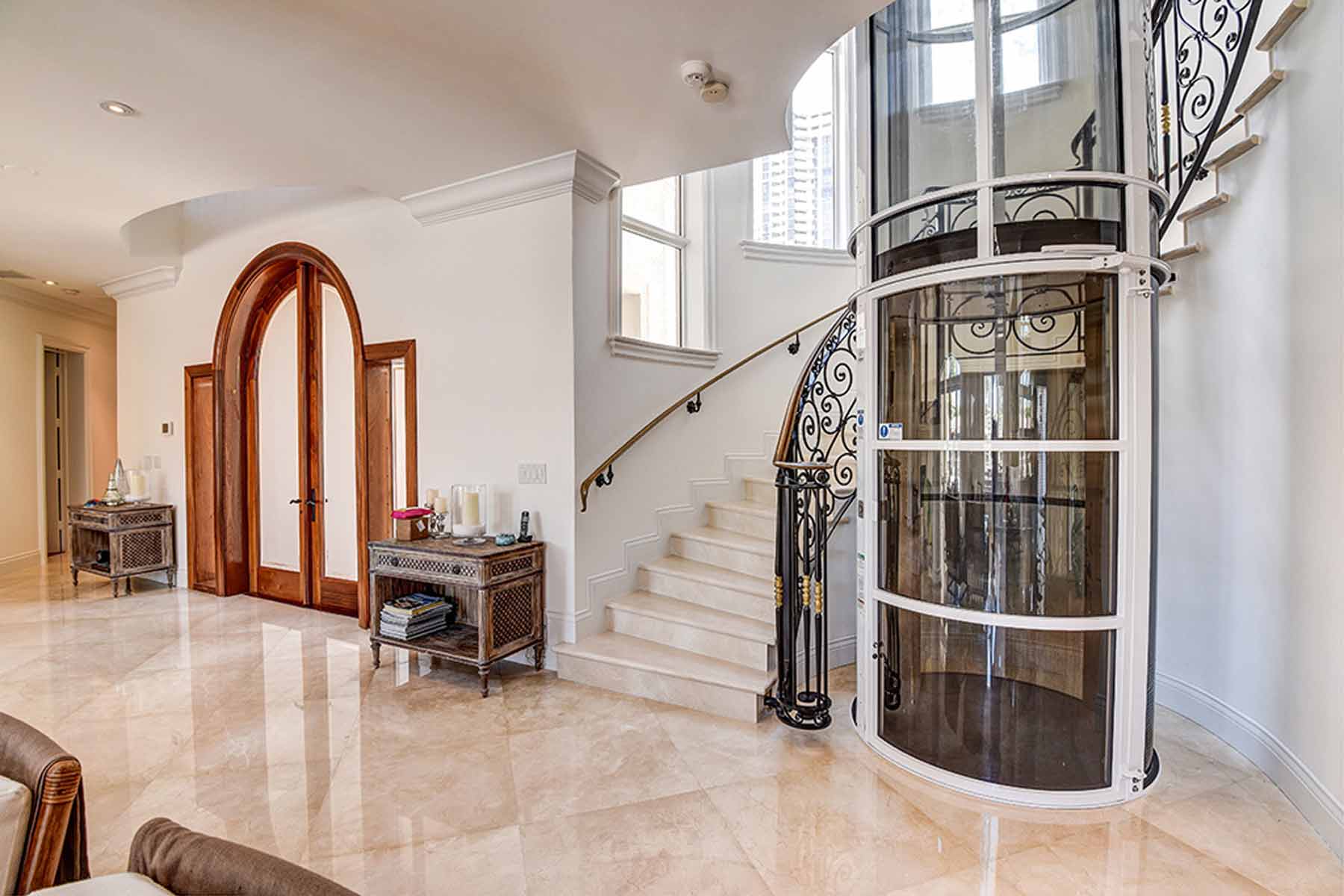
How to find the best elevator installer near you
Choosing the right professional ensures your pneumatic vacuum elevator is installed safely and functions properly for years to come. Follow these guidelines to help you find the best elevator installer near you:
Request quotes from at least three certified elevator installers who specialize in pneumatic systems.
Choose a contractor who is affiliated with the local International Union of Elevator Constructors (IUEC) and the National Elevator Industry, Inc. (NEII).
Verify the installer is licensed and insured in your state.
Ask for references from recent pneumatic vacuum elevator installations and follow up with those homeowners.
Check reviews and ratings on trusted platforms like HomeGuide and Google.
Confirm the installer is factory-certified by the pneumatic elevator manufacturer.
Ensure the installer obtains all necessary permits and coordinates required inspections.
Review the warranty coverage for both the elevator unit and the installation work.
Questions to ask an elevator installer
Before committing to an installer, ask these important questions to ensure you're making the best choice:
How many pneumatic vacuum elevator installations have you completed?
Are you factory-certified by the manufacturer of the model I'm considering?
What is included in your installation quote, and are there any potential additional costs?
How long will the installation take from start to finish?
What electrical work is required, and can you coordinate with an electrician or should I hire one separately?
Do you handle all permit applications and inspection coordination?
What warranty do you provide on your installation work?
What is your process if issues arise during or after installation?
Can you provide a detailed timeline for the project?
What maintenance schedule do you recommend, and do you offer ongoing service contracts?
Using our proprietary cost database, in-depth research, and collaboration with industry experts, we deliver accurate, up-to-date pricing and insights you can trust, every time.