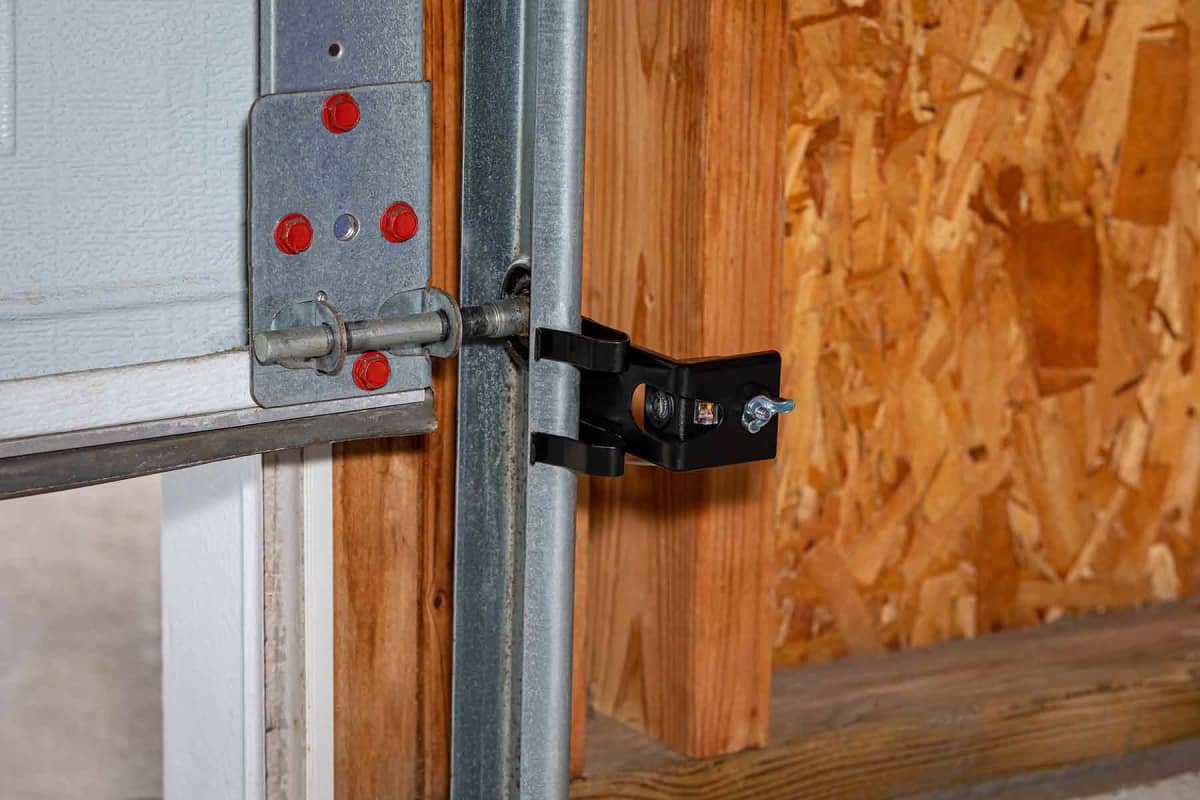
How much does garage door sensor replacement cost?
How much does garage door sensor replacement cost?
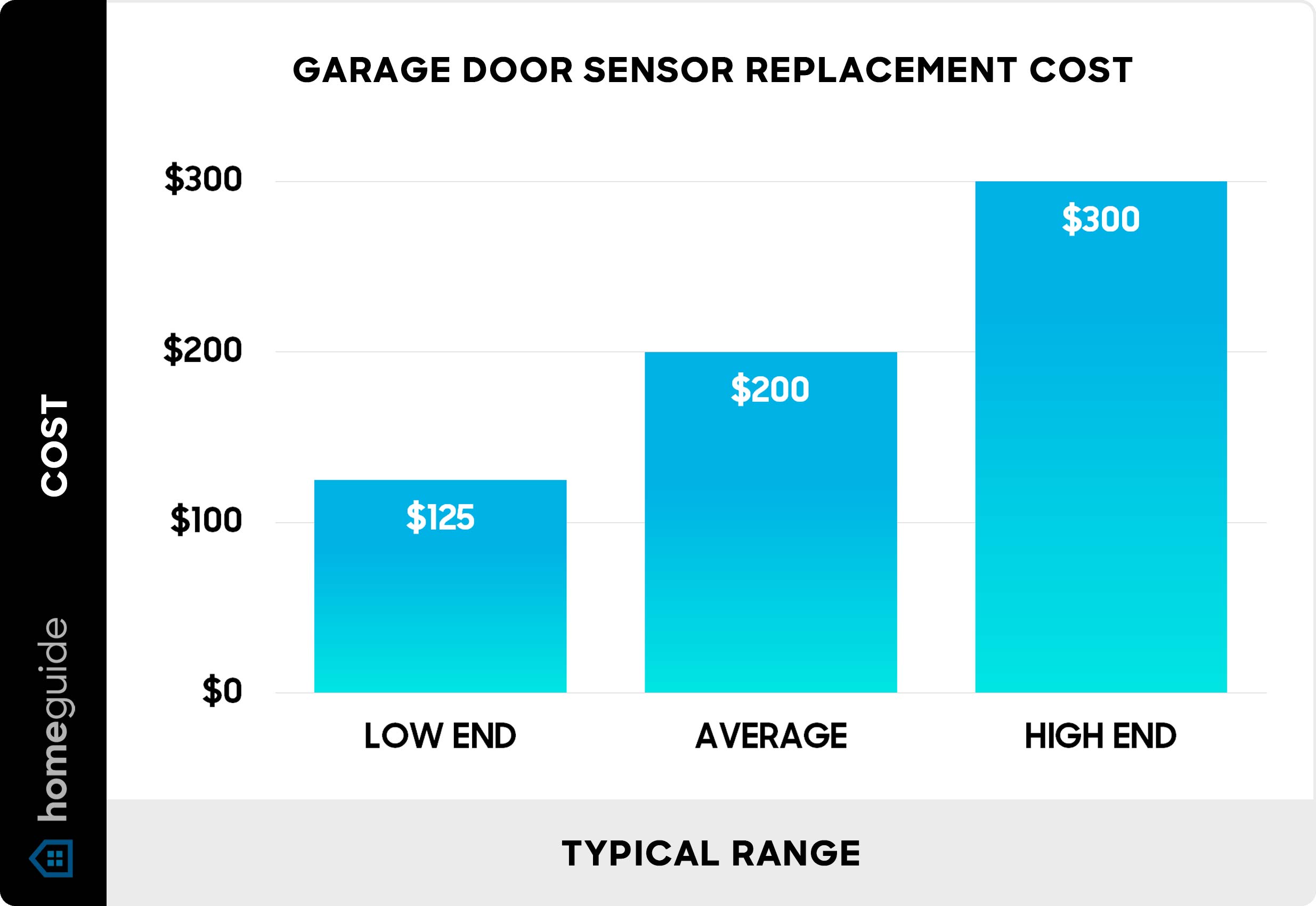
$125 – $300 average total cost (labor + materials)

Average garage door sensor replacement cost
Garage door sensor replacement costs $125 to $300 on average, depending on the type of sensor, brand, and installation complexity. These sensors are essential safety devices that prevent your garage door from closing on people, pets, or objects, making prompt replacement crucial when they malfunction.
| National Average Cost | $200 |
| Minimum Cost | $50 |
| Maximum Cost | $450 |
| Average Range | $125 to $300 |
When garage door sensors fail, your garage door may refuse to close, close partially, or operate unpredictably, creating both security and safety concerns.
Cost to replace garage door sensors by type
Each type of garage door sensor has distinct features that affect the repair or replacement cost:
| Sensor type | Sensor cost | Installation cost | Total average cost |
|---|---|---|---|
| Infrared beam sensors | $50 – $150 | $75 – $125 | $125 – $275 |
| Pressure sensors | $50 – $100 | $100 – $150 | $150 – $250 |
| Smart sensors | $100 – $250 | $100 – $200 | $200 – $450 |
Infrared beam sensor
Infrared beam sensors cost $125 to $275 per pair with installation and are the most common type found on modern garage doors. These sensors create an invisible beam across the door opening, and any interruption causes the door to reverse.
Pressure sensor
Pressure sensors cost $150 to $250, including the sensors and professional installation. These sensors detect changes in pressure when an object contacts the door's bottom edge.
Smart garage door sensor
Smart garage door sensors cost $200 to $450 with installation. Smart sensors integrate with home automation systems and offer advanced features like smartphone alerts and remote monitoring.
Garage door sensor replacement cost factors
Several factors influence the total cost to replace garage door sensors:
Sensor brand and quality: Premium brands like LiftMaster, Chamberlain, and Genie often cost more than generic alternatives but offer superior performance and durability, better reliability, and longer warranties.
Installation complexity: Simple replacements on standard residential doors with existing wiring take less time and cost less than installations requiring new wiring runs or modifications to accommodate different sensor types.
Single vs double-car garage door: Sensor replacement for single-car garage doors is the most straightforward. Because double-car garage doors have a wider opening that can potentially cause more sensor alignment problems, the installation time is longer, increasing labor costs.
Garage door style: Sensor replacement may cost more for non-standard garage door styles like tilt-up doors compared to standard sectional roll-up doors.
Geographic location: Labor rates are often higher in urban areas than in rural areas. However, urban locations often have more competition among service providers, which can help moderate pricing.
Emergency or scheduled service: Emergency repairs cost significantly more than scheduled appointments. Weekend, evening, or holiday service calls may include surcharges of $50 to $150 above standard rates, making timing an important cost consideration.
Additional costs
Beyond basic sensor replacement, several additional expenses may apply depending on your specific situation and existing garage door system condition.
Wiring upgrades may be needed if existing wires are damaged, inadequate for new sensor requirements, or don't meet current electrical codes. Rewiring costs range from $75 to $150+ depending on wire run length and complexity.
Mounting hardware replacement may be required if existing brackets are damaged, corroded, or incompatible with new sensors. New mounting hardware costs $15 to $35 per sensor.
System programming for smart sensors or integration with existing automation systems can add $25 to $75 to your total cost, depending on the system complexity and required setup time.
When to replace garage door sensors
Look for these signs of a failing garage door sensor to ensure you address problems before they create safety hazards or more expensive repairs:
Inconsistent door operation is the most common indicator of sensor problems. If your garage door opens or closes sometimes but not others, or if it reverses unexpectedly during operation, faulty sensors may be causing the problem. Ignoring these symptoms can lead to complete door failure or safety risks.
Visible damage to the sensor housing, wiring, or mounting brackets requires immediate attention. Physical damage from lawn equipment, vehicles, or weather exposure can compromise sensor alignment and functionality.
Frequent alignment issues suggest the sensors have reached the end of their useful life. While occasional alignment adjustments are normal, sensors that require constant realignment indicate worn mounting hardware or internal component degradation.
Professional installation vs. DIY
Professional installation ensures proper sensor alignment, secure mounting, and correct wiring connections that DIY approaches often miss. Qualified technicians have specialized tools and experience that prevent common installation errors and serious safety hazards.
Proper alignment requires precise positioning to ensure the infrared beam functions correctly. Even small misalignments can cause intermittent operation problems that create safety risks and operational frustration.
Electrical connections must meet local building codes and manufacturer specifications. Professional installers understand wiring requirements and safety protocols that protect both the sensors and your garage door opener system.
Warranty protection typically requires professional installation to remain valid. Many sensor manufacturers void warranties for DIY installations, making professional service a valuable investment that protects your purchase.
Garage door sensor FAQs
How often should garage door sensors be replaced?
Most garage door sensors last 10 to 15 years with normal use and proper maintenance. Replace sensors immediately if they show signs of damage or malfunction, regardless of age.
Can I replace just one garage door sensor if only one fails?
While possible, replacing garage door sensors in pairs ensures matching performance and eliminates potential compatibility issues. Most professionals recommend replacing both sensors at the same time for optimal safety and reliability.
How long does garage door sensor replacement take?
Garage door sensor replacement takes 1 to 2 hours for standard replacements. Complex installations involving wiring upgrades or smart system integration may require 2 to 3 hours.
Do smart garage door sensors work with older garage door openers?
Most smart sensors require compatible garage door openers with proper electrical connections and control capabilities. Older openers may need upgrades to support smart sensor features. A new garage door opener costs $300 to $900 on average with installation.
Getting estimates for garage door sensor replacement
Follow these tips to help you find a reputable, qualified garage door technician:
Look for garage door technicians with experience repairing and replacing sensors.
Read their reviews on HomeGuide and Google.
Request detailed written estimates that itemize parts and labor costs.
Confirm warranty coverage for both parts and installation work.
Verify licensing and insurance coverage for your state and local area.
Ask about emergency service availability and associated costs.
Questions to ask a garage door technician
Ask these questions to ensure you hire the best pro for the job:
What type of sensors do you recommend for my specific garage door system?
Can you provide a detailed breakdown of parts and labor costs?
How long will the sensors last under normal operating conditions?
What warranty do you offer on parts and installation work?
Do you offer emergency repair services if problems occur after hours?
Are there any additional costs I should expect beyond the quoted price?
How often should I schedule maintenance to keep sensors working properly?
Can you show me how to perform basic sensor cleaning and alignment checks?
Using our proprietary cost database, in-depth research, and collaboration with industry experts, we deliver accurate, up-to-date pricing and insights you can trust, every time.