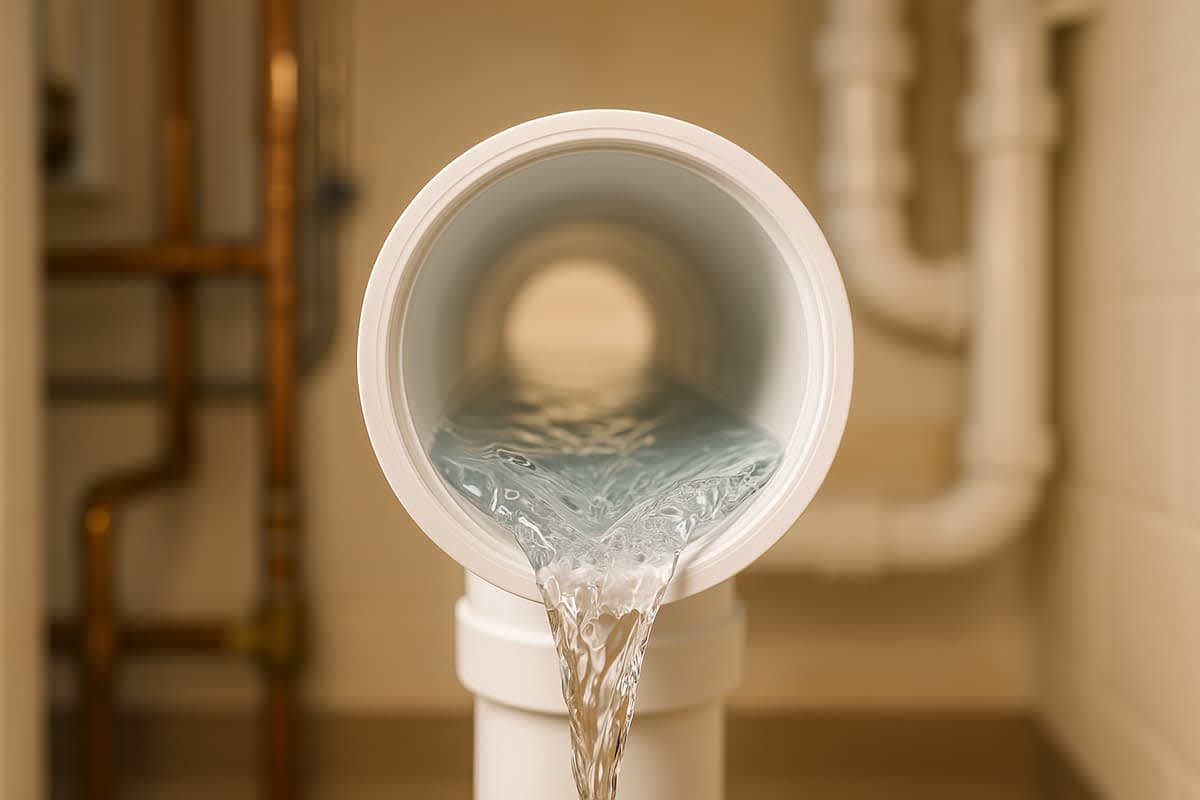
What is hydrojetting and when do you need it?
What is hydrojetting and when do you need it?
$250 – $800 average cost

What hydrojetting is and how it works
Hydrojetting is a professional plumbing technique that uses high-pressure water streams to clear stubborn blockages and clean the inside of pipes. A specialized nozzle attached to a high-pressure hose is inserted into the plumbing system, blasting water at pressures between 1,500 and 4,000 PSI to scour pipe walls and break apart clogs. It costs $250 to $800 on average, depending on the severity of the blockage and accessibility of the pipes.
| Hydrojetting Detail | Key Information |
|---|---|
| Water pressure used | 1,500 – 4,000 PSI |
| Average cost | $250 – $800 |
| Time to complete | 1 – 2 hours |
| Best for | Grease, tree roots, mineral deposits, heavy debris |
| Pipe types suited | Most residential and commercial pipes |
| Requires a professional | Yes |
Unlike traditional methods such as drain snaking or chemical cleaners, hydrojetting doesn't just punch a hole through a clog. It removes the entire buildup from the pipe walls, restoring them to near-original condition. This makes it one of the most thorough drain cleaning solutions available today.
The process typically begins with a video camera inspection of the pipes. This allows the plumber to identify the location and nature of the blockage, check the condition of the pipes, and determine the right water pressure level. Once the assessment is complete, the technician inserts the hydrojetting nozzle through a cleanout opening and begins flushing the system.
How hydrojetting works step by step
The hydrojetting process follows a systematic approach that starts with inspection and ends with verification. A trained plumber handles every step because the equipment operates at pressures powerful enough to damage pipes if used incorrectly.
| Step | What Happens |
|---|---|
| 1. Video inspection | A camera is fed into the pipe to locate the clog and assess pipe condition |
| 2. Gravity assessment | The plumber identifies the downstream direction so debris flushes out properly |
| 3. Nozzle insertion | A specialized nozzle is inserted through a cleanout access point |
| 4. High-pressure cleaning | Water blasts at 1,500 – 4,000 PSI, breaking apart clogs and scrubbing pipe walls |
| 5. Debris flushing | Loosened debris is flushed downstream and out of the system |
| 6. Final inspection | A follow-up camera inspection confirms the pipes are clear |
The nozzle is the key component. It features multiple water jets that spray in different directions: forward-facing jets break apart blockages, while rear-facing jets propel the nozzle through the pipe and scour the walls clean. Together, they create a 360-degree cleaning action.
Different nozzle types are used depending on the problem. Penetrating nozzles cut through tough clogs like tree roots, while flushing nozzles clear away grease and sediment. Your plumber will select the right nozzle based on the camera inspection results.
Camera inspection first: A reputable plumber will always perform a camera inspection before hydrojetting. This step is critical because hydrojetting damaged, cracked, or collapsed pipes can cause further harm. If your plumber skips this step, consider it a red flag.
When you need hydrojetting
You should consider hydrojetting when traditional drain cleaning methods fail to resolve persistent clogs, when multiple drains in your home back up at the same time, or when you notice recurring plumbing problems that keep coming back after snaking. These signs typically point to a buildup deep within your sewer line that surface-level fixes cannot reach.
| Sign or Situation | Why Hydrojetting Helps |
|---|---|
| Multiple drains backing up simultaneously | Indicates a main sewer line blockage that needs thorough cleaning |
| Persistent slow drains | Buildup on pipe walls is restricting water flow |
| Recurring clogs after snaking | Snaking only punches through clogs; hydrojetting removes them entirely |
| Gurgling sounds from drains | Air trapped by partial blockages is disrupted by water flow |
| Foul odors from drains or yard | Organic buildup is decomposing inside the pipes |
| Tree root infiltration | High-pressure water cuts through roots and clears the pipe |
| Grease-heavy commercial kitchens | Grease accumulation requires powerful removal that chemicals cannot provide |
| Pre-purchase home inspection | Ensures the sewer line is clean before buying a property |
Let's take a closer look at the most common scenarios where hydrojetting is the right solution.
Severe or deep clogs
When a clog is too far down the line or too dense for a drain snake to handle, hydrojetting is the next step. Severe blockages caused by years of accumulated grease, mineral scale, or invasive tree roots often require the force of high-pressure water to break apart completely.
A drain snake can typically clear a path through a clog, but it leaves residue behind on the pipe walls. That residue quickly attracts more buildup, and the clog returns within weeks or months. Hydrojetting eliminates this cycle by cleaning the pipe walls thoroughly.
Recurring plumbing issues
If you find yourself calling a plumber for the same drain problem more than twice a year, that is a strong indicator the root cause has not been addressed. Recurring clogs suggest that debris, grease, or roots are accumulating faster than basic cleaning methods can handle.
Hydrojetting resets the pipe to a clean state, giving you a much longer period before buildup becomes problematic again. Many homeowners who switch from repeated snaking to a single hydrojetting session report going years without another clog.
Preventative maintenance
You do not have to wait for a clog to schedule hydrojetting. Many plumbing professionals recommend it as preventative maintenance every 18 to 24 months, especially for older homes with mature trees near sewer lines or properties with a history of plumbing issues.
Regular hydrojetting keeps pipes flowing at full capacity, prevents emergency backups, and extends the overall lifespan of your plumbing system. The upfront cost is significantly less than an emergency sewer line repair, which can run $1,000 to $4,000 or more.
| Service | Average Cost |
|---|---|
| Preventative hydrojetting | $250 – $800 |
| Emergency sewer line repair | $1,000 – $4,000+ |
What hydrojetting can remove
Hydrojetting is effective against nearly every type of pipe obstruction, from soft grease buildup to hardened mineral deposits and invasive tree roots. The high-pressure water adapts to whatever material it encounters, making it one of the most versatile drain cleaning solutions available.
| Type of Blockage | Effectiveness of Hydrojetting |
|---|---|
| Grease and fat buildup | Highly effective; dissolves and flushes grease completely |
| Tree root infiltration | Highly effective; cuts through roots up to several inches thick |
| Mineral and scale deposits | Highly effective; blasts away hardened calcium and lime buildup |
| Hair and soap scum | Highly effective; clears residential drain buildup quickly |
| Sand and silt | Highly effective; flushes loose sediment out of the system |
| Food waste and debris | Highly effective; common in commercial kitchen lines |
| Collapsed or broken pipe sections | Not effective; requires pipe repair or replacement instead |
Grease is one of the most common reasons homeowners and restaurants need hydrojetting. Over time, fats, oils, and grease (FOG) coat the inside of drain pipes and harden into a thick layer that narrows the pipe diameter. Chemical drain cleaners rarely dissolve this buildup completely, but hydrojetting strips it away.
Tree roots are another frequent culprit. Roots naturally seek out moisture, and even tiny cracks in sewer lines can attract them. Once inside, they grow rapidly and create severe blockages. Hydrojetting cuts through these roots and clears the line, though it will not repair the crack that allowed entry. A follow-up repair may be necessary to prevent recurrence.
When hydrojetting will not work: Hydrojetting cannot fix structural problems with your pipes. If a pipe has collapsed, is severely corroded, or has bellied (sagged), the blockage will return regardless of cleaning. A camera inspection before hydrojetting will reveal these issues so you can pursue the right repair.
Hydrojetting cost
Hydrojetting costs $250 to $800 for most residential jobs. The price depends on the severity of the clog, the length of pipe being cleaned, the accessibility of the cleanout, and your geographic location. Commercial hydrojetting tends to cost more due to larger pipe diameters and more complex systems.
| Service Type | Average Cost |
|---|---|
| Basic residential hydrojetting | $250 – $500 |
| Severe residential blockage | $400 – $800 |
| Commercial hydrojetting | $500 – $2,000+ |
| Video camera inspection (add-on) | $100 – $300 |
| Cleanout installation (if needed) | $200 – $600 |
If your home does not have an accessible cleanout, the plumber may need to install one before hydrojetting can begin. This adds $200 to $600 to the total cost but provides a permanent access point for future maintenance.
Geographic location plays a role as well. Homeowners in urban areas with higher costs of living should expect to pay toward the upper end of the range. Getting quotes from at least two or three licensed plumbers is a smart practice to ensure fair pricing.
Hydrojetting vs. snaking cost comparison
Drain snaking is the cheaper option upfront, costing $100 to $300 on average. However, if you need snaking multiple times per year for recurring clogs, the cumulative cost can exceed a single hydrojetting session that solves the problem long term.
| Method | Average Cost | Duration of Results |
|---|---|---|
| Drain snaking | $100 – $300 | Weeks to months |
| Hydrojetting | $250 – $800 | 1 to several years |
Benefits of hydrojetting
Hydrojetting offers several advantages over traditional drain cleaning methods. Its thoroughness, environmental friendliness, and long-lasting results make it the preferred choice for both plumbing professionals and informed homeowners.
| Benefit | Details |
|---|---|
| Thorough pipe cleaning | Removes 100% of buildup from pipe walls, not just the clog itself |
| Long-lasting results | Clean pipes stay clear for years, reducing service calls |
| Environmentally friendly | Uses only water; no harsh chemicals enter the water supply |
| Versatile | Works on residential and commercial pipes of various sizes |
| Non-invasive | No digging or pipe removal required |
| Extends pipe lifespan | Removing corrosive buildup reduces long-term wear |
Comprehensive cleaning
Unlike snaking, which only creates a channel through the clog, hydrojetting cleans the entire circumference of the pipe. The pressurized water removes every layer of grease, scale, and debris from the pipe walls. This results in improved water flow, better drainage speed, and the elimination of odors caused by decomposing organic material.
Environmentally safe
Hydrojetting uses nothing but water. There are no caustic chemicals that can corrode your pipes over time or enter the local water supply. For environmentally conscious homeowners and businesses, especially restaurants, this is a significant advantage over chemical drain cleaners.
Cost-effective over time
While the initial cost is higher than snaking or chemical treatments, the long-term savings are substantial. A single hydrojetting session can prevent years of recurring plumbing calls, emergency repairs, and the potential water damage that comes with sewer backups. Many homeowners find it pays for itself after just one avoided emergency.
Hydrojetting vs. other drain cleaning methods
Hydrojetting is the most powerful residential drain cleaning method available, but it is not always necessary. Understanding how it compares to other options helps you choose the right solution for your specific situation.
| Method | Best For | Average Cost | Limitations |
|---|---|---|---|
| Plunger | Minor, surface-level clogs | $5 – $15 (DIY) | Only works on simple, nearby clogs |
| Chemical drain cleaner | Light organic buildup | $5 – $20 (DIY) | Can corrode pipes; harmful to environment |
| Drain snaking | Moderate clogs within reach | $100 – $300 | Does not clean pipe walls; clogs often return |
| Hydrojetting | Severe, deep, or recurring clogs | $250 – $800 | Not safe for damaged or fragile pipes |
For a simple sink clog caused by a hair ball, a plunger or basic drain snake is perfectly adequate. Chemical cleaners can dissolve minor organic buildup but should be used sparingly because they degrade pipe material over time, especially in older homes with cast iron or clay pipes.
Hydrojetting becomes the clear winner when dealing with main sewer line blockages, commercial drain maintenance, or any situation where traditional methods have failed to provide lasting results.
Is hydrojetting safe for all pipes?
Hydrojetting is safe for most pipe materials when performed by a licensed professional, but it is not appropriate for every situation. Older, deteriorated, or fragile pipes can be damaged by the extreme water pressure if the plumber does not adjust settings properly.
| Pipe Material | Hydrojetting Compatibility |
|---|---|
| PVC | Safe; handles standard hydrojetting pressure well |
| ABS | Safe; similar durability to PVC |
| Cast iron (good condition) | Safe with adjusted pressure settings |
| Cast iron (corroded or thin) | Risky; may cause further damage |
| Clay or Orangeburg | Not recommended; pipes are too fragile |
| Copper | Generally safe with proper pressure adjustment |
This is precisely why the pre-service camera inspection is so important. It reveals the pipe material, condition, and any existing damage that could worsen under high pressure. A skilled plumber adjusts the PSI accordingly or recommends an alternative cleaning method if the pipes cannot safely handle hydrojetting.
Homes built before 1970 often have clay or Orangeburg (a compressed fiber material) sewer lines that are susceptible to cracking. If your home falls into this category, make sure your plumber inspects the pipes thoroughly before proceeding.
Residential vs. commercial hydrojetting
Both residential and commercial properties benefit from hydrojetting, but the scale, frequency, and cost differ significantly between the two.
| Factor | Residential | Commercial |
|---|---|---|
| Typical cost | $250 – $800 | $500 – $2,000+ |
| Pipe diameter | 2 to 6 inches | 6 to 18+ inches |
| Recommended frequency | Every 18 to 24 months | Every 3 to 12 months |
| Common blockage types | Tree roots, grease, sediment | Heavy grease, food waste, mineral scale |
| Pressure levels used | 1,500 – 4,000 PSI | 3,000 – 4,000+ PSI |
Restaurants, hotels, hospitals, and other commercial facilities typically need hydrojetting more frequently because their plumbing systems handle much higher volumes of waste. Restaurants in particular face constant grease accumulation that can lead to code violations and health department issues if not managed proactively.
For residential properties, hydrojetting is often a one-time or occasional service triggered by a specific problem. Homeowners with large trees near their sewer lines may benefit from scheduling it as regular maintenance to prevent root intrusion.
How to choose a hydrojetting professional
Hiring the right plumber for hydrojetting is essential because improper use of the equipment can damage your pipes and create costly problems. Look for licensed, insured professionals who have specific experience with hydrojetting equipment.
| What to Look For | Why It Matters |
|---|---|
| Valid plumbing license | Ensures the technician meets local training and code requirements |
| Liability insurance | Protects you if the work causes damage to your property |
| Camera inspection included | Confirms the plumber assesses pipe condition before blasting water |
| Experience with hydrojetting | Not all plumbers own or regularly use hydrojetting equipment |
| Transparent pricing | Avoid surprise fees; get a written estimate before work begins |
| Positive reviews | Check Google, Yelp, or the BBB for customer feedback |
Ask whether the quoted price includes the camera inspection, or if that is billed separately. Some companies include it as part of the hydrojetting service, while others charge $100 to $300 extra. Either way, never hire a plumber who skips this step entirely.
Get at least two or three quotes before committing. Prices can vary significantly between companies, and the cheapest option is not always the best. Focus on experience, included services, and reputation alongside the price.
Pro tip: Ask your plumber if they offer a maintenance plan that bundles hydrojetting with annual inspections. Many companies offer discounted rates for recurring service agreements, which can save 10% to 20% compared to one-time service calls.
Frequently asked questions
Can I do hydrojetting myself?
No. Hydrojetting requires specialized commercial-grade equipment and training. The water pressures involved (1,500 to 4,000 PSI) can cause serious injury or pipe damage if handled incorrectly. This is a job for licensed plumbers only.
How long does hydrojetting take?
Most residential hydrojetting jobs take 1 to 2 hours, including the camera inspection. Severe blockages or longer sewer lines may take up to 3 hours. Commercial jobs can take half a day or longer depending on the scope.
Will hydrojetting damage my pipes?
Not if your pipes are in good condition and the plumber adjusts the pressure appropriately. The pre-service camera inspection is designed to identify any pipe weaknesses before cleaning begins. Damaged, corroded, or fragile pipes may not be candidates for hydrojetting.
How often should I have my pipes hydrojetted?
For most residential properties, every 18 to 24 months is sufficient for preventative maintenance. If you have a history of recurring clogs, tree root issues, or an older plumbing system, your plumber may recommend more frequent service.
Is hydrojetting better than snaking?
For severe, recurring, or deep clogs, yes. Hydrojetting provides a more thorough and longer-lasting solution because it cleans the entire pipe wall rather than just boring through the blockage. Snaking is adequate for minor, infrequent clogs that do not require full-pipe cleaning.
Does hydrojetting work on tree roots?
Yes. High-pressure water can cut through tree roots that have infiltrated sewer lines. However, hydrojetting removes the roots inside the pipe but does not seal the entry point. You may need a follow-up pipe repair, such as trenchless relining, to prevent roots from returning.