How much does silt fence installation cost?
How much does silt fence installation cost?
$3 – $7 average cost per linear foot installed
$1,200 – $2,800 average total cost (400 LF)

Average silt fence installation cost
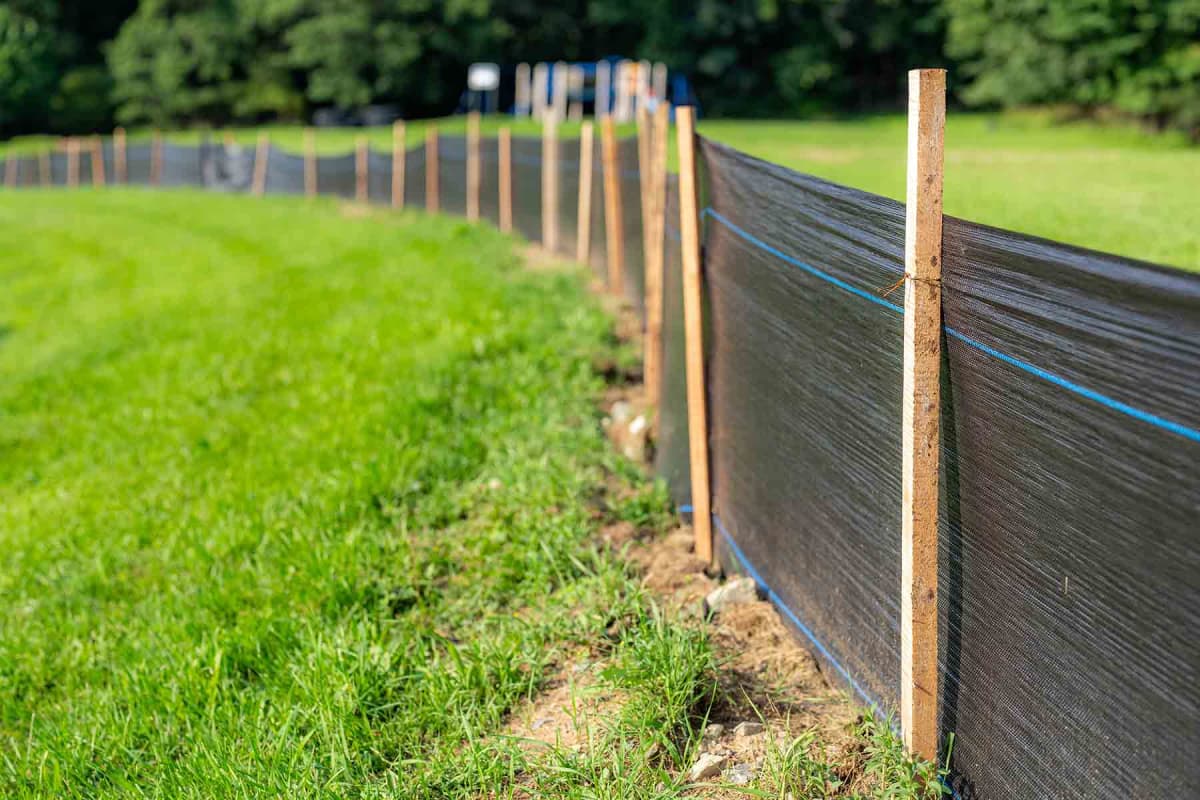
Silt fence installation costs $3 to $7 per linear foot on average, including materials and labor. Total prices depend on the fence length, site conditions and terrain, and the quality and type of fence fabric. Wire-backed, UV-stabilized silt fencing costs more than standard fabric fencing.
| Perimeter length (linear feet) |
Average total cost* |
|---|---|
| 100 | $300 – $700 |
| 200 | $600 – $1,400 |
| 300 | $900 – $2,100 |
| 400 | $1,200 – $2,800 |
| 500 | $1,500 – $3,500 |
| 600 | $1,800 – $4,200 |
| 700 | $2,100 – $4,900 |
| 800 | $2,400 – $5,600 |
| 900 | $2,700 – $6,300 |
| 1,000 | $3,000 – $7,000 |
*Including materials and installation
Most contractors charge minimum job fees of $500 or more, even for smaller projects. This ensures the installation meets local erosion control standards and provides adequate sediment protection for your construction site or property.
Silt fence installation cost factors
Several factors influence the total cost to install a silt fence, including the complexity of the terrain, local regulations, the quality of the materials, and more.
Fence length and height
The size of the area being fenced has the biggest impact on the total cost. Larger perimeters require more materials and labor hours, which increases the overall cost.
The standard silt fence height is 36 inches, which works well for most residential and light commercial applications. Taller fences cost more due to additional fabric, posts, and installation time but may be necessary for sites with steep slopes or heavy runoff.
Fence fabric and backing
Standard quality silt fencing fabric provides basic sediment control for short-term projects, while high-quality UV-stabilized fabric resists degradation from sunlight and lasts longer. The fabric thickness you choose also affects the durability and filtration efficiency.
Fabric-only fencing costs less but may require more maintenance. Wire-backed fabric offers superior strength and stability, making it ideal for longer projects or sites with challenging conditions.
Site conditions
Terrain and soil conditions significantly impact the installation difficulty and cost. Rocky, uneven, or heavily vegetated sites require more preparation work and specialized equipment to install fencing properly. Locations prone to heavy rainfall may need more robust fencing systems with additional anchoring to prevent washouts.
Site accessibility also affects pricing. Labor time and transportation costs increase for remote locations or areas with limited vehicle access.
Labor
Labor makes up the majority of the project cost, typically accounting for 70% to 80% of your total investment. Professional installation ensures proper trench depth, secure anchoring, and compliance with environmental regulations.
Labor costs also include removal and disposal services at the project's end. Proper removal prevents soil contamination and ensures your site meets final inspection requirements for construction closeout.
Environmental and regulatory requirements
Local regulations dictate the type, height, and length of silt fence required for construction and land disturbance projects. Environmental agency regulations may also impact the requirements, potentially mandating specific fabric grades or installation methods.
What is a silt fence?
A silt fence is a temporary sediment control barrier made from permeable geotextile fabric stretched between wooden or metal posts. These fences are installed along the perimeter of construction sites, disturbed land areas, or near storm drains to prevent soil erosion and protect water quality.
The fabric acts as a filter, allowing water to pass through while trapping sediment, dirt, and debris on the uphill side. Silt fences are essential tools for complying with environmental protection laws and preventing contaminated runoff from entering waterways, wetlands, and neighboring properties.
When is a silt fence required?
Most municipalities and environmental agencies require silt fences for any earthwork or construction project that disturbs more than one acre of land. Smaller projects near sensitive areas like streams, wetlands, or steep slopes may also trigger installation requirements.
Building permits for grading, excavation, and land development typically include erosion control plans that specify where silt fences must be installed.
Does a silt fence let water through?
Yes, silt fences are designed to let water pass through while filtering out sediment and debris. The permeable geotextile fabric allows stormwater to flow through at a controlled rate.
Getting estimates from fence installers
Follow these tips to help you find a reputable, experienced fence installer near you:
Read reviews of fence installers on Google and HomeGuide.
Get quotes from at least three installers in your area.
Request written quotes that itemize the material prices, labor costs, and removal fees.
Confirm the installer you select is licensed and insured.
Ask for a written contract and warranty before the work starts.
Questions to ask silt fence companies
Ask the following questions when getting quotes from fence companies to ensure you hire the best pro for the job:
How many years have you been installing fences?
Are all materials, labor, delivery, and the cleanup fee listed in this estimate?
What is the expected timeframe for installation?
Do you call the utility department to mark underground lines before digging?
Are there any potential challenges with my property?
Do you handle necessary permits and inspections?
Do you offer any warranties or guarantees on your work?
Using our proprietary cost database, in-depth research, and collaboration with industry experts, we deliver accurate, up-to-date pricing and insights you can trust, every time.