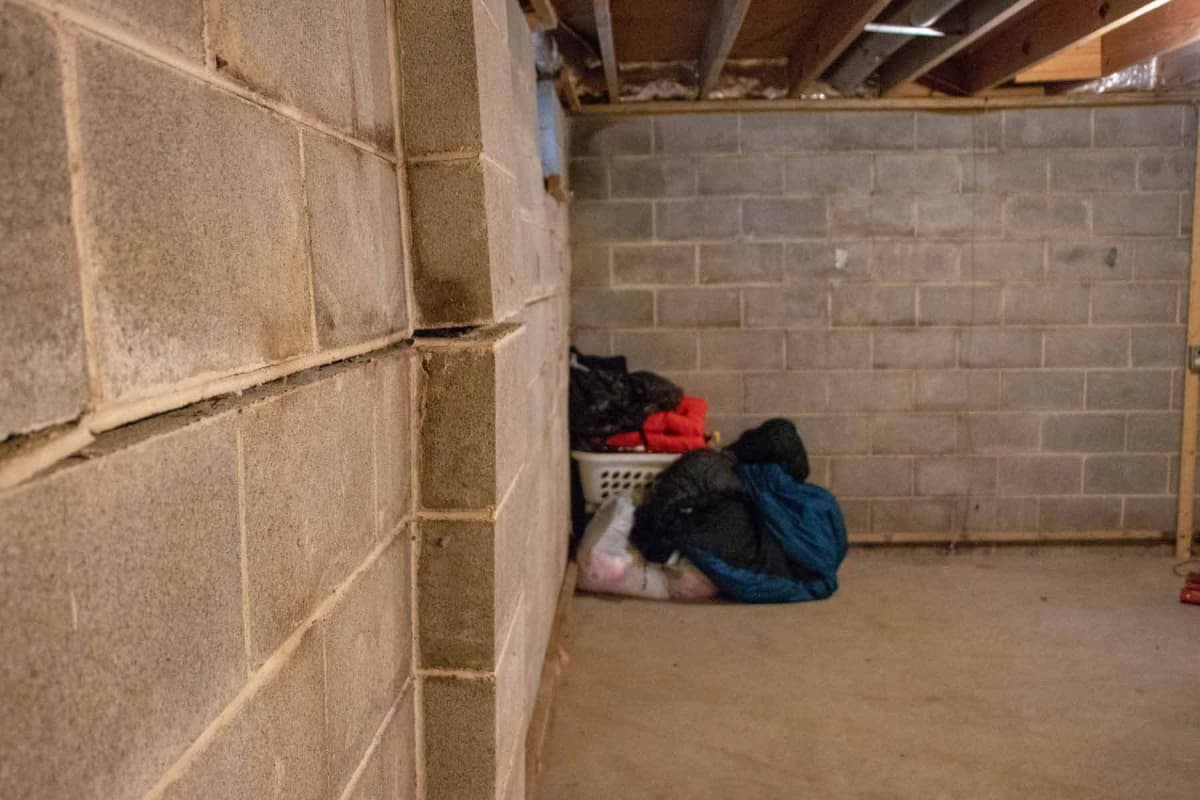
How much does a bowing basement wall repair cost?
How much does a bowing basement wall repair cost?
$80 – $550 average repair cost per linear foot
$1,600 – $11,000 average repair cost (20 linear feet)

Average bowing basement wall repair cost
Basement wall bracing costs $80 to $550 per linear foot or $1,600 to $11,000 on average, depending on the method and severity of damage. Costs also depend on the wall dimensions and local labor rates. Wall anchors and straps are the most cost-effective method but are only appropriate for minor bowing.
| Repair method | Average cost per linear foot | Average cost (20 linear feet) |
|---|---|---|
| Wall anchors | $80 – $150 | $1,600 – $3,000 |
| Steel or carbon fiber straps | $85 – $280 | $1,700 – $5,600 |
| Helical tiebacks | $300 – $360 | $6,000 – $7,200 |
| Wall straightening | $340 – $550 | $6,800 – $11,000 |
Wall anchors
Wall anchors cost $80 to $150 per linear foot with installation. Contractors install them every 5 feet for minor bowing of less than 2 inches. Anchors use steel plates or braces on both sides of the wall, connected by a steel shaft, to stabilize walls for early-stage bowing.
Steel or carbon fiber straps
Steel or carbon fiber straps cost $85 to $280 per linear foot on average with installation. Straps anchor vertically to walls and work for mild to moderate bowing. Most contractors install them every 4 feet. Strapping is a minimally invasive repair suited to smaller cracks and bowing.
Helical tiebacks
Helical tiebacks cost $300 to $360 per linear foot with installation. Professionals install these specialized, screw-like rods at an angle and anchor the wall to stable outside soil, offering durable reinforcement for severe bowing of 2 inches or more.
In some cases, bowing may require a helical pier, which pros install vertically below the home to provide support for settling or sinking foundations. Helical piers cost $2,000 to $4,000 each with installation.
Wall straightening
Wall straightening ranges from $340 to $550 per linear foot. This costly method combines excavation, jacks, and bracing to physically realign the wall. Wall straightening is reserved for significant bowing or structural instability.
If the bowing is due to a settling foundation, pros may recommend underpinning. Underpinning a foundation costs $10,000 to $30,000+ total and involves installing support beams into the soil below your foundation. This method provides strong, permanent support for a settling foundation.
Cost to fix a bowing basement wall by size
Besides the severity of the bowing, the wall size is the biggest cost factor. The larger and longer the wall, the more you're likely to pay. The following table shows average costs to fix a bowing basement wall by size.
| Wall length (linear feet) | Average cost |
|---|---|
| 15 | $1,200 – $8,300 |
| 20 | $1,600 – $11,000 |
| 25 | $2,000 – $13,800 |
| 30 | $2,400 – $16,500 |
Basement wall bracing cost factors
Like other foundation repair projects, many factors affect the cost of bowing wall repair:
Type of repair: Advanced solutions like helical tiebacks or wall straightening cost more than anchors or straps.
Severity of wall bowing: Larger deflection or visible cracks require more complex, expensive repairs. Repairing basement wall cracks costs $1,000 to $5,000+ for wide, horizontal cracks or $250 to $800+ for hairline or vertical cracks.
Wall dimensions: Longer walls or greater heights increase the overall repair cost, as pricing is per linear foot.
Exterior access: Limited access or hard-to-excavate conditions may result in higher charges for labor or equipment.
Permit and inspection fees: Permits and engineer reports add to the budget. A foundation inspection costs $300 to $750 to assess the damage.
Region and labor rates: Prices vary based on local labor rates and the area’s cost of living.
Finishing and restoration: Finishing the interior with drywall and paint or addressing landscaping outside increases total project costs.
Foundation type
Bowing basement walls occur in several foundation types, each requiring dedicated repair strategies. The materials and construction influence which solutions work best:
Poured concrete foundations: Contractors may add carbon fiber straps, wall anchors, or epoxy injections, depending on the degree of bowing and cracking. Poured walls handle reinforcement methods well.
Concrete block foundations: Block walls frequently need wall anchors or steel bracing to halt inward movement. More severe cases may call for partial block replacement.
Stone foundations: Repairing stone walls means custom bracing and sometimes steel tiebacks. Stabilizing stones requires a careful approach due to the wall’s irregular structure.
Brick foundations: Contractors reinforce brick with wall anchors or specialized epoxy. Repointing mortar joints and replacing damaged bricks are standard for bowing issues.
Pier and beam foundations: Reinforcement focuses on realigning or shimming piers and ensuring beams stay level. Moisture control is critical to prevent ongoing shifting under pier and beam homes.
Waterproofing & drainage
Addressing water management and drainage deficiencies is essential when dealing with bowing walls. Poor exterior drainage and high soil moisture can increase hydrostatic pressure on the foundation. Fixing these issues helps prevent recurring bowing.
The following table shows common waterproofing and drainage repair costs:
| Service | Average cost |
|---|---|
| Interior drainage system cost | $4,000 – $17,000 |
| Exterior waterproofing cost | $10,000 – $15,000 |
| Sump pump installation cost | $600 – $2,500 |
| Gutter repair or replacement cost | $6 – $17 per linear foot |
| Downspout installation or replacement cost | $30 – $75 each |
Maintenance
Proper maintenance prevents minor problems from becoming major repairs. Regularly check gutters, downspouts, and soil grading, and seal small cracks promptly. Monitor for uneven walls or sticking doors.
Maintain good drainage by cleaning gutters and ensuring downspouts work.
Watch for new cracks or changes in wall alignment.
Keep basement humidity levels stable.
Schedule a professional inspection every 3 to 5 years for early detection.
Staying proactive with these maintenance steps protects your home and investment, keeping future issues at bay.
FAQs about bowing basement walls
Should I buy a house with bowing basement walls?
Buying a house with bowing basement walls is risky. The issue often doesn’t pass inspection, and a repair can cost $1,600 to $11,000 or more. Request that the seller pay for the repair or reduce the sale price if the inspection finds this issue.
Why is my interior wall bowing?
Bowing walls occur when hydrostatic pressure, soil movement, water infiltration, or age push inward on the foundation. Improper drainage, clay soil, or freeze-thaw cycles are frequent causes.
Does home insurance cover bowing walls?
Most homeowners insurance policies exclude coverage for damage caused by soil pressure, settling, or gradual deterioration. Check the specific policy details, but separate foundation damage riders are uncommon.
Is a bowed basement wall dangerous?
Yes, a bowed basement wall always poses a safety risk. Left unaddressed, bowing can lead to foundation collapse, structural instability, water intrusion, and mold growth. Timely repairs are crucial for home safety.
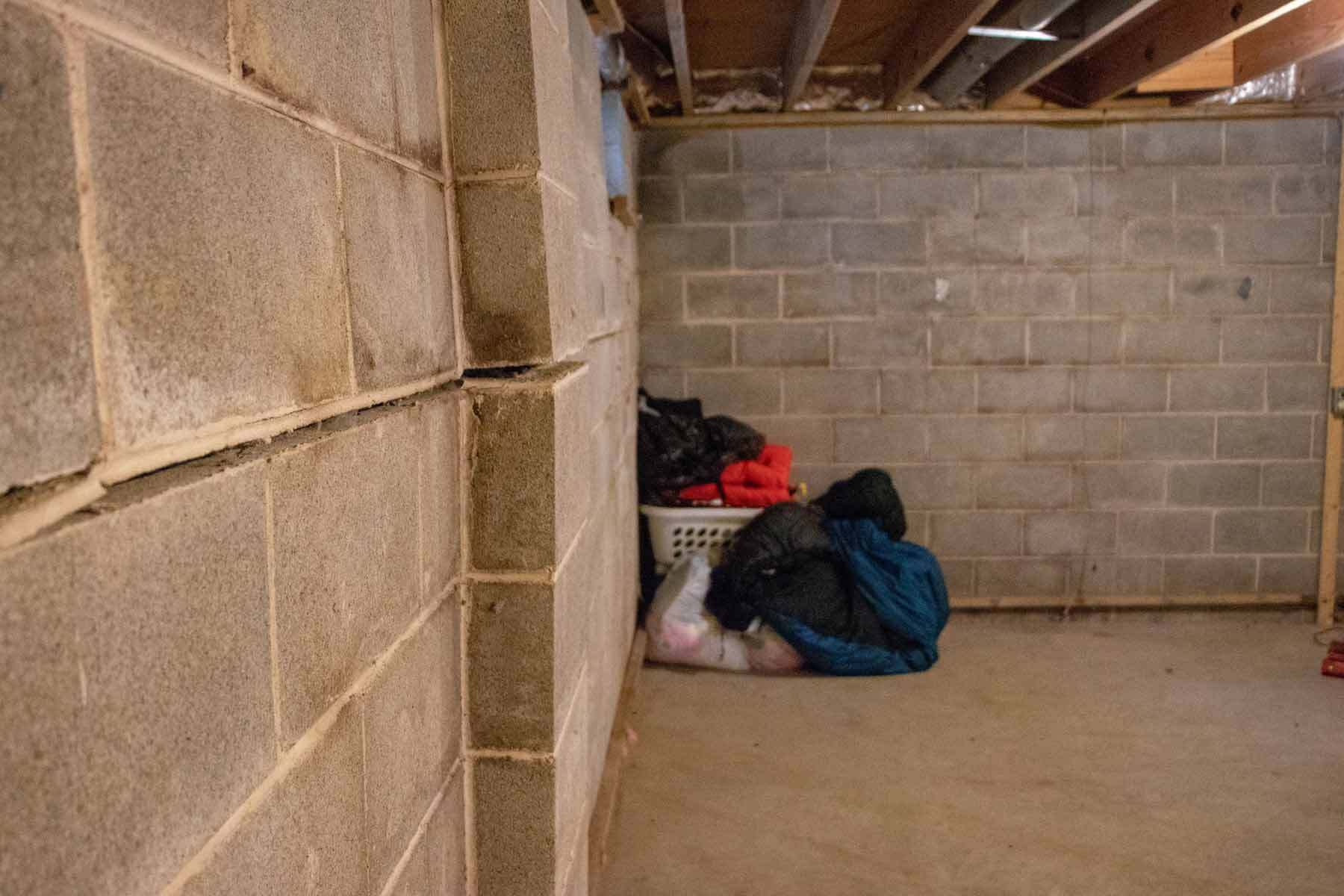
Getting estimates for wall repairs
When looking for an experienced, high-quality foundation repair contractor near you, follow these steps:
Request bids from at least three contractors for comparison.
Check contractor reviews in HomeGuide and Google.
Ask for a line-item breakdown separating repair, finishing, and permit fees.
Confirm licensing, insurance, and references for each company.
Seek recommendations from local homeowners or trusted tradespeople.
Questions to ask contractors
Before hiring a repair firm, gather detailed information about their process, guarantees, and qualifications.
What repair methods do you recommend for my wall’s condition?
How many similar repairs have you completed locally?
Can you provide a detailed written estimate (labor, materials, permits, finishing)?
Will a structural engineer inspect and sign off on repairs?
Are all workers licensed, bonded, and insured?
What kind of warranty do you provide for this work?
Will you handle interior finishing (drywall, paint), or is it separate?
How long will the project take from start to finish?
Will the work disrupt my plumbing, electrical, or HVAC systems?
Who do I contact for follow-up issues or warranty claims?
Do you have recent references for similar projects?
Using our proprietary cost database, in-depth research, and collaboration with industry experts, we deliver accurate, up-to-date pricing and insights you can trust, every time.