![How to Become a Roof Inspector [PRO]](https://res.cloudinary.com/liaison-inc/image/upload/f_auto/q_auto:eco,w_1200:eco,w_1200/v1765370652/content/homeguide/homeguide-how-to-become-a-roof-inspector-new-house-roofing-inspection.jpg)
How to Become a Roof Inspector [PRO]
How to Become a Roof Inspector [PRO]

What does a roof inspector do?
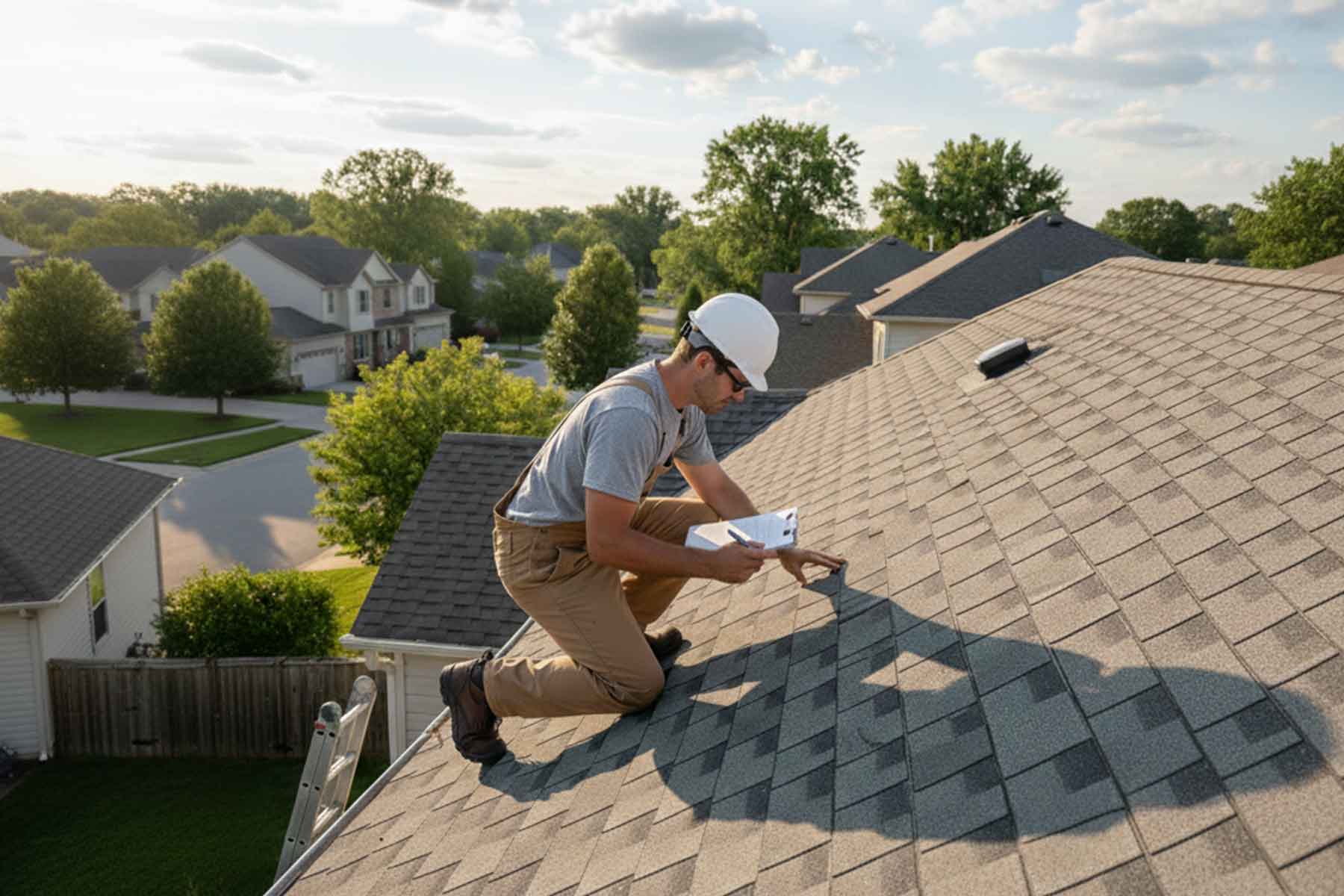
Roof inspectors assess the condition and integrity of roofing systems on residential and commercial buildings. The job involves climbing onto roofs, identifying damage, spotting potential problems, and documenting your findings in detailed reports.
You'll examine everything from shingles and flashing to gutters and drainage systems. Most inspections happen during real estate transactions, after storms, or as part of routine maintenance checks. Insurance companies also hire roof inspectors to verify claims and assess risk.
Step 1: Meet the basic requirements
Most states don't require a college degree to become a roof inspector. A high school diploma or GED typically serves as the minimum educational requirement, making this career accessible to many people. However, certain skills will set you up for success:
Physical requirements: You should be comfortable working at heights and have good physical fitness. The job demands climbing ladders, walking on sloped surfaces, and sometimes crawling into tight spaces.
Technical skills: Basic math skills help with measurements and calculations. You don't need to be a master roofer, but you must understand roofing components and how they work.
Communication skills: Strong communication skills are essential since you'll explain technical findings to homeowners who may not understand roofing terminology. You need to be able to write clear, concise reports and speak confidently about your findings.
Step 2: Get the right training
Professional training separates competent inspectors from amateurs. Several organizations offer comprehensive roof inspection courses that cover different roofing systems, materials, and inspection techniques.
InterNACHI
The InterNACHI (International Association of Certified Home Inspectors) provides online and in-person training specifically for roof inspection. Their courses cover residential and commercial roofing systems, common defects, and reporting standards.
HAAG Education
HAAG Education offers specialized training focused on roof damage assessment, particularly for insurance-related inspections. Their certification is highly respected in the insurance industry and can open doors to lucrative opportunities.
Community college or trade school
You can also pursue training through local community colleges or vocational schools. Some programs combine classroom instruction with hands-on practice, giving you real-world experience before entering the field.
Step 3: Get your roof inspection certification
Getting certified demonstrates your professional competence and commitment to industry standards. While not always legally required, roof inspection certification significantly improves your credibility and earning potential.
The most recognized certifications include:
InterNACHI Certified Roof Inspector: This certification requires completing their roof inspection course and passing an exam. It covers all major roofing types and inspection methodologies.
HAAG Residential Roof Inspector Certification: Focused on damage assessment and insurance claims, this certification requires attending a multi-day course and passing both written and practical exams.
NRCIA Certification: The National Roof Certification and Inspection Association offers credentials specifically for commercial roofing inspections, which are valuable if you plan to work with larger properties.
Each certification has different costs, typically ranging from $300 to $1,500 for course materials and exam fees. Most require continuing education to maintain your credentials.
Step 4: Meet the licensing requirements
Licensing requirements vary dramatically depending on where you work. Some states require roof inspectors to hold a home inspector license, while others have no specific requirements at all. Research your state's regulations through the state licensing board or department of consumer affairs.
If your state requires licensing, you'll typically need to complete approved training hours, pass a state exam, and maintain liability insurance. The process can take several months, so start early in your career planning.
Some municipalities also require business licenses or permits to operate as an inspector. Check with your local government to ensure full compliance before accepting paid work.
Step 5: Get insurance
Professional liability insurance protects you if a client claims your inspection missed significant problems. Most professional organizations require insurance for membership, and many clients won't hire uninsured inspectors.
General liability insurance covers accidents that might occur during inspections, like property damage or injuries. If someone trips over your equipment or you accidentally damage a roof component, this insurance has you covered.
Insurance costs vary based on coverage limits and your location, but expect to pay $500 to $2,000 annually for adequate protection.
Step 6: Invest in tools and equipment
Quality equipment makes you more efficient and professional. Your basic toolkit should include a sturdy extension ladder rated for your weight plus equipment, a reliable roof ladder with hooks, and appropriate safety gear including harnesses and non-slip boots.
Invest in good inspection tools like moisture meters, infrared thermometers, binoculars for distance viewing, and a high-quality camera for documentation. A tablet or smartphone with inspection software streamlines report writing on-site.
Budget at least $2,000 to $5,000 for your initial equipment investment. You can start with essentials and gradually add specialized tools as your business grows and you identify specific needs.
Step 7: Build your business
Marketing yourself effectively determines your success as much as your inspection skills. Follow these important steps:
Create a professional website displaying your certifications, services, and sample reports. Local SEO helps potential clients find you when searching for roof inspectors in your area.
Network with real estate agents, insurance agents, and roofing contractors who can refer clients to you. Many roof inspectors generate steady business through referral partnerships with these professionals.
Join local business groups and home improvement associations to build your reputation.
Consider offering introductory rates when starting out to build your portfolio and gather testimonials.
How to get more roof inspection clients
Create a free profile on HomeGuide to connect with new clients near you. Thousands of customers search our marketplace every day for local pros. When a customer near you searches for a roof inspector, you'll receive the details instantly and can message them, send a quote, or confirm a booking right from your dashboard.
Take advantage of our free all-in-one booking and business management platform built to help you run and grow your business.
How much do roof inspectors make?
Roof inspectors typically earn between $45,000 and $75,000 annually, with experienced inspectors in high-demand markets earning over $100,000. Your income depends on your location, certification level, and whether you work independently or for a company.
Most roof inspectors charge $200 to $500 for a residential inspection. Conducting just two to three inspections daily generates substantial income. Commercial inspections cost more, often $500 to $1,500 or more depending on the building size.
Roof inspector career outlook
The roof inspection field offers solid growth potential as the housing market and building industry continue expanding. Extreme weather events increase demand for damage assessments, while aging housing stock requires more frequent inspections.
You can grow your career in several directions. Some inspectors expand into full home inspection services, adding significantly to their earning potential. Others specialize in commercial properties or insurance claim work.
Building a team and scaling your business allows you to conduct multiple inspections simultaneously. Successful inspectors eventually transition from hands-on work to business management as they grow.
FAQs about becoming a roof inspector
How long does it take to become a certified roof inspector?
You can complete basic training and certification in as little as 2 to 4 weeks if you pursue an intensive program. However, most people take 2 to 6 months to complete training, pass certification exams, and handle licensing requirements.
Building practical experience and establishing your reputation takes additional time. Plan on six months to a year before generating consistent full-time income from roof inspection work.
Is roof inspector a good job?
Roof inspection is an excellent career for people who enjoy physical work, independence, and problem-solving. The job offers strong earning potential, flexible scheduling, and low barriers to entry compared to many trades requiring lengthy apprenticeships.
The work provides genuine satisfaction from helping homeowners protect their investments. Job security is strong due to consistent demand for inspections regardless of economic conditions. However, the physical demands and seasonal fluctuations present challenges worth considering.
Do I need to be a licensed home inspector to inspect roofs?
Requirements for roof inspectors vary by state. Some states require roof inspectors to hold a home inspector license, while other states have no specific requirements. Even where not legally required, obtaining professional certification significantly improves your credibility and earning potential.
Research your specific state's regulations before you invest in training to ensure you meet all legal requirements for operating in your area.
Can I specialize in just roof inspection without doing full home inspections?
Yes, many professionals focus exclusively on roof inspections. This specialization is particularly common in insurance claim work and storm damage assessment. Specializing allows you to develop deep expertise and often charge higher fees than general home inspectors.
However, expanding into full home inspections significantly increases your income potential and client base. Many roof inspectors eventually add home inspection services as their business grows.
Using our proprietary cost database, in-depth research, and collaboration with industry experts, we deliver accurate, up-to-date pricing and insights you can trust, every time.