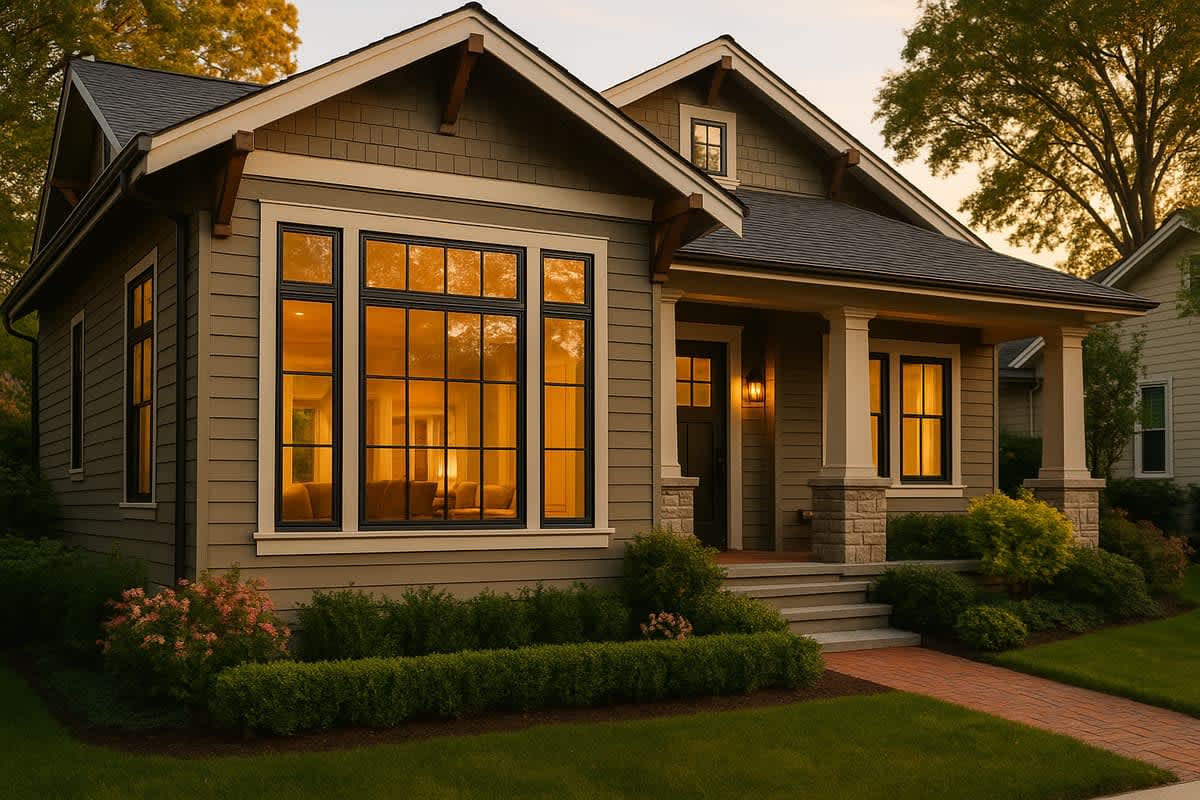
Do new windows increase home value?
Do new windows increase home value?
$13,776 – $14,912 average resale value added
61% – 69% average ROI

Average Home Value Increase From New Windows
New windows do increase home value, and the data backs it up. On average, homeowners recoup 61% to 69% of their window replacement investment at resale, making windows one of the higher-returning home improvement projects you can take on. Whether you're preparing to sell or simply upgrading your home for long-term comfort, replacement windows deliver measurable financial and functional benefits.
| Window type | Average installation cost | Average resale value added | Average ROI |
|---|---|---|---|
| Vinyl windows | $20,091 | $13,776 | 68.5% |
| Wood windows | $24,376 | $14,912 | 61.2% |
These figures come from national averages, and your actual return will depend on factors like your local real estate market, the condition of your existing windows, and the quality of replacements you choose. Still, the ROI for window replacement outperforms several other popular home improvement projects, including roof replacement and deck additions.
How much value do new windows add?
Replacement windows add an average of $13,776 to $14,912 in resale value depending on the material. Vinyl windows cost less upfront and deliver a slightly higher percentage return, while wood windows cost more but add a larger dollar amount to your home's value.
Several factors influence exactly how much value new windows will add to your specific home.
| Factor | Impact on value |
|---|---|
| Window material (vinyl vs. wood vs. fiberglass) | Affects both cost and resale value |
| Number of windows replaced | Whole-house replacement adds more value than partial |
| Local real estate market | Hot markets may yield higher returns |
| Condition of existing windows | Replacing visibly damaged windows has a bigger impact |
| Energy efficiency rating | ENERGY STAR-rated windows appeal more to buyers |
| Style and design | Modern styles that match the home's architecture add curb appeal |
The jump from noticeably old, damaged windows to modern, high-performance replacements creates the largest perceived value increase. Buyers can spot aging windows immediately, and they often associate them with costly future repairs and high energy bills.
In contrast, replacing windows that are still in decent shape will yield a smaller boost. If your current windows are only 10 years old and functioning well, the ROI may not justify the expense unless you're addressing specific performance issues.
Why new windows increase home value
The value new windows add goes beyond aesthetics. Buyers evaluate windows as indicators of a home's overall condition, energy performance, and maintenance history. Here are the key reasons replacement windows boost your home's worth.
| Benefit | Details |
|---|---|
| Curb appeal | Modern windows give the home an updated, well-maintained appearance |
| Energy efficiency | Can reduce energy bills by an average of 12% annually |
| Fewer inspection issues | Eliminates a common red flag in home inspection reports |
| Improved security | Modern locking mechanisms and stronger glass deter break-ins |
| Noise reduction | Double- and triple-pane glass reduces outside noise pollution |
Improved curb appeal
Windows are one of the most visible exterior features of any home. Aging, discolored, or warped windows immediately signal to buyers that the property may need significant work. New windows give a home a fresh, modern appearance that creates a strong first impression.
Replacing front-facing windows is especially impactful. These are the first thing potential buyers see during a showing or even in listing photos online. Clean lines, updated frames, and clear glass go a long way toward making a home feel move-in ready.
Better energy efficiency
According to the U.S. Department of Energy, heat gain and loss through windows account for 25% to 30% of residential heating and cooling energy use. Older windows with single-pane glass, deteriorated seals, or rotting frames are significant sources of energy waste.
Replacing them with ENERGY STAR-rated double- or triple-pane windows can save homeowners an average of 12% on annual energy bills. That ongoing savings is attractive to buyers, especially as energy costs continue to rise.
In recent surveys, more than 80% of home buyers said energy-efficient features were important to them when evaluating a home. New windows with low-E coatings, argon gas fills, and insulated frames check this box immediately.
Fewer home inspection problems
Broken, cracked, or poorly sealed windows are among the most common issues flagged during home inspections. Multiple window-related problems on an inspection report can slow down a transaction, trigger price negotiations, or even cause a sale to fall through entirely.
By replacing windows before listing, you eliminate these potential roadblocks. Many sellers who skip this step end up installing new windows anyway as part of inspection-related repair negotiations, often under pressure and with less control over timing and cost.
Enhanced home security
Old windows with worn-out locks, thin glass, and weakened frames are vulnerable entry points for intruders. Modern replacement windows feature multi-point locking systems, laminated or tempered glass options, and stronger frame materials that significantly improve home security.
Buyers notice security features, even if they don't always articulate them. A home that feels secure is more appealing and commands a higher price.
Noise reduction
Homes near highways, airports, busy streets, or commercial areas benefit significantly from the sound-dampening properties of new windows. Double-pane and triple-pane glass with gas fills dramatically reduce outside noise compared to older single-pane windows.
While noise control may not be the primary driver of a purchase decision, it contributes to the overall comfort level buyers experience during a showing. In noisy neighborhoods, upgraded windows can be a deciding factor.
Window replacement cost by type
The cost of new windows varies widely depending on the material, style, and glass options you choose. Here's a breakdown of what homeowners typically pay per window, including installation.
| Window material | Cost per window (installed) |
|---|---|
| Vinyl | $300 – $800 |
| Wood | $600 – $1,200 |
| Fiberglass | $500 – $1,500 |
| Aluminum | $250 – $700 |
| Composite | $400 – $1,000 |
For a whole-house replacement (typically 15 to 20 windows), homeowners spend an average of $8,000 to $24,000 depending on material and window count. Custom sizes, specialty shapes like arched or bay windows, and premium glass packages push costs toward the higher end.
Vinyl windows offer the best balance of affordability and ROI. They require minimal maintenance, resist moisture and rot, and come in a wide range of styles. Wood windows cost more but provide a classic aesthetic that appeals to buyers in certain markets, particularly for historic or high-end homes.
When to replace windows before selling
Replacing windows before listing your home makes sense in certain situations, but not all. Here's how to decide whether the investment is worth it for your specific circumstances.
| Scenario | Recommendation |
|---|---|
| Windows are visibly damaged, rotted, or broken | Replace before listing |
| Windows are single-pane or over 20 years old | Strong candidate for replacement |
| Moisture is trapped between panes (seal failure) | Replace before listing |
| Windows are difficult to open or close | Replace before listing |
| Windows are 10 to 15 years old and functioning well | Likely not worth replacing |
| Home is in a competitive market with higher-end comps | Replace to stay competitive |
If your windows show obvious signs of aging (warping, discoloration, condensation between panes, or difficulty operating), replacement is a smart move before listing. These issues are red flags for buyers and inspectors alike.
However, if your windows are relatively modern and still performing well, you're better off investing your pre-sale budget in higher-impact projects like kitchen or bathroom updates, fresh paint, or landscaping improvements.
Before investing in premium window replacements, check comparable home sales in your area. Installing high-end wood windows in a neighborhood where most homes have basic vinyl could mean you won't recoup the extra cost. Match your upgrades to what buyers in your market expect.
Signs your windows need replacing
High-quality windows typically last 15 to 40 years depending on material and maintenance. Here are the most common signs that your windows have reached the end of their useful life.
- Visible damage: Cracks in the glass, rotting frames, warped sashes, or peeling paint indicate structural failure.
- Condensation between panes: Moisture trapped inside double-pane glass means the seal has failed and the insulating gas has escaped.
- Drafts near windows: If you feel cold air leaking in around closed windows, the weatherstripping or frame has deteriorated.
- Difficulty operating: Windows that stick, won't stay open, or won't lock properly are a safety concern and a buyer turnoff.
- Rising energy bills: A noticeable increase in heating and cooling costs can point to windows that are no longer insulating effectively.
- Excessive outside noise: If street noise seems louder than it used to, your windows may have lost their sound-dampening ability.
- Fading furniture and flooring: Old windows without low-E coatings allow UV rays to damage interior furnishings over time.
If you notice several of these issues, replacement is likely overdue. Addressing them proactively protects your home's value and prevents further damage to surrounding structures like wall framing and insulation.
How to maximize ROI on new windows
Not all window replacements deliver the same return. A few strategic decisions can help you get the most value from your investment.
| Strategy | Why it works |
|---|---|
| Choose ENERGY STAR-rated windows | Buyers prioritize energy efficiency; qualifies for tax credits |
| Select vinyl over wood (in most markets) | Lower cost with comparable or higher ROI percentage |
| Match the home's architectural style | Consistent design boosts curb appeal and perceived value |
| Replace all windows at once | Uniform appearance; often better pricing from installers |
| Hire a licensed, insured installer | Proper installation prevents air leaks and warranty issues |
| Take advantage of tax credits | Federal tax credits up to $600 for qualifying energy-efficient windows |
Choosing ENERGY STAR-certified windows is one of the simplest ways to boost your return. These windows meet strict energy performance criteria set by the EPA, and homeowners may qualify for federal tax credits of up to $600 per year for qualifying installations. That credit effectively reduces your net cost and improves your overall ROI.
Consistency matters, too. Replacing only a few windows while leaving mismatched older ones in place creates an uneven look that can actually hurt curb appeal. If budget is a concern, prioritize street-facing windows first, then replace the remaining windows when funds allow.
New windows vs. other home improvements
When deciding where to spend your renovation budget, it helps to compare the ROI of window replacement against other common home improvement projects.
| Home improvement project | Average cost | Average ROI |
|---|---|---|
| Garage door replacement | $4,302 | 102.7% |
| Manufactured stone veneer | $11,287 | 102.3% |
| Vinyl window replacement | $20,091 | 68.5% |
| Wood window replacement | $24,376 | 61.2% |
| Wood deck addition | $17,051 | 59.8% |
| Roof replacement (asphalt shingles) | $29,136 | 55.7% |
While window replacement doesn't top the list in pure ROI percentage, it outperforms several major projects like roof replacement and deck additions. It also delivers benefits that extend well beyond resale value, including lower energy costs, improved comfort, and reduced maintenance for years before you sell.
For sellers preparing to list, windows are often a better investment than a full kitchen remodel, which can cost $75,000+ with a typical ROI below 50%. The key is matching your improvements to what buyers in your specific market value most.
Frequently asked questions
Do buyers care about new windows?
Yes. Buyers consistently rank windows among the features they evaluate when touring homes. New windows signal that the home has been well-maintained and won't require immediate investment. Over 80% of buyers say energy-efficient features, including windows, are important to their purchasing decision.
Is it better to repair or replace old windows?
If your windows have minor issues like worn weatherstripping or a broken latch, repairs are usually sufficient and cost-effective. However, if the frames are rotting, seals have failed, or the glass is single-pane, full replacement is the better long-term investment for both comfort and resale value.
How long does it take to replace windows in a house?
A professional crew can typically replace 10 to 15 windows in a single day. A full-house replacement with 20 or more windows usually takes one to three days, depending on the complexity of the installation and whether any structural modifications are needed.
Do new windows qualify for tax credits?
Yes. ENERGY STAR-certified windows qualify for a federal tax credit of up to $600 per year under the Energy Efficient Home Improvement Credit. Some states and utilities also offer additional rebates for energy-efficient window installations.
What type of window has the best resale value?
Vinyl windows offer the best ROI at an average of 68.5%, thanks to their lower cost and strong buyer appeal. Wood windows add more dollar value to the home but have a lower percentage return due to their higher upfront cost. Fiberglass windows fall somewhere in between, offering excellent durability and energy performance.