
How much does polyjacking cost?
How much does polyjacking cost?
$8 – $25 average cost per square foot

Average polyjacking cost
Polyurethane foam jacking, or polyjacking, costs $8 to $25 per square foot. Smaller polyjacking jobs tend to cost more per square foot than larger projects. The total cost depends on the size of the area, severity of damage, accessibility, and your location. Most contractors charge a minimum job fee of $300 to $700 or more.
Although polyjacking is sometimes more expensive than complete concrete slab replacement, it is faster and less disruptive.
| Size of repair (square feet) | Average cost* |
|---|---|
| 25 | $200 – $625 |
| 50 | $400 – $1,300 |
| 100 | $800 – $2,500 |
| 200 | $1,600 – $5,000 |
| 300 | $2,400 – $7,500 |
| 400 | $3,200 – $10,000 |
| 500 | $4,000 – $12,500 |
| 1,000 | $8,000 – $25,000 |
*Most contractors charge a minimum job fee of $300 to $700 or more.
What is polyjacking?
Polyjacking is a concrete leveling method that uses expanding polyurethane foam to raise sunken slabs. Contractors drill small holes in the concrete, inject the foam underneath, and the foam expands to lift the slab back to its original level. The process is quick, minimally invasive, and typically takes just a few hours.
This method is lighter than traditional mudjacking and won't add extra weight to already compromised soil. The foam cures in about 15 minutes, so you can use the surface almost immediately after the repair is complete.
Cost of concrete foam jacking by project
The table below shows the average cost for common polyjacking projects around your home.
| Project | Average cost* |
|---|---|
| Steps (40 SF) | $320 – $1,000 |
| Sidewalk (100 SF) | $800 – $2,500 |
| Patio or porch (150 SF) | $1,200 – $3,800 |
| Partial garage floor (125 SF) | $1,000 – $3,100 |
| Garage floor (360 SF) | $2,880 – $9,000 |
| Pool deck (400 SF) | $3,200 – $10,000 |
| Partial driveway (200 SF) | $1,600 – $5,000 |
| Driveway (450 SF) | $3,600 – $11,300 |
| Basement floor (800 SF) | $6,400 – $20,000 |
| Foundation (1,500 SF) | $12,000 – $37,500 |
*Most contractors charge a minimum job fee of $300 to $700 or more.
Polyurethane concrete lifting cost factors
Several factors influence how much you'll pay for foam jacking:
Size of the repair
Larger areas cost more overall, but the per-square-foot price often decreases with bigger jobs. A 50-square-foot repair might cost $20+ per square foot, while a 500-square-foot project might average $12 per square foot. Remember that most contractors have minimum charges of $300 to $700+ regardless of the project size.
Damage severity
Severely sunken slabs that need to be raised several inches require more foam and labor, increasing the cost. Minor settling of 1 to 2 inches typically costs less than major sinking of 4 to 6 inches. Cracked or deteriorating concrete may need additional repairs beyond just leveling.
Accessibility
Hard-to-reach areas cost more due to the extra time and effort required. Slabs in tight spaces, those surrounded by landscaping, or areas with limited equipment access can increase labor costs by 20% to 50%. Easy access from your driveway or street keeps costs lower.
Location
Geographic location affects polyjacking cost due to varying labor rates and material costs. Urban areas with higher costs of living typically see higher rates than rural regions. Prices in the Northeast and on the West Coast tend to be 10% to 30% higher than in the Midwest or South.
Labor
Labor typically accounts for 40% to 60% of the total cost of concrete foam jacking. Most contractors charge $50 to $150 per hour, depending on the location. Experienced contractors charge more but often complete the work faster and with better results. Complex repairs requiring multiple visits or specialized equipment increase labor costs.
Additional costs
You may encounter extra charges for related services in addition to the base polyjacking cost:
Concrete sealing costs $1 to $3+ per square foot to protect the repaired surface
Crack repair costs anywhere from $50 to $800+ per crack for filling and sealing.
Soil stabilization costs $500 to $2,000 for addressing underlying soil issues.
Drainage improvements cost $500 to $2,000+ to prevent future settling.
Permit fees range from $50 to $200 in some municipalities.
Multiple travel and transport fees may add $100 to $300+ if the contractor needs to return for additional work.
Mudjacking vs. polyjacking cost
Mudjacking costs $4 to $9 per square foot, making it cheaper up front than polyjacking. However, the slurry mixture used in mudjacking is much heavier and can cause additional settling over time. Mudjacking also requires larger 1- to 2-inch drill holes compared to polyjacking's smaller holes of about 5/8 inch.
Polyjacking's higher cost comes with significant advantages: the foam is lightweight, won't stress weak soil, cures in minutes instead of days, and lasts longer. Many homeowners find the cost of polyjacking worthwhile for its durability and faster completion time.
Foam jacking cost vs. complete replacement
Replacing a concrete slab costs $6 to $15 per square foot on average, which is often comparable to some polyjacking projects. Replacement involves demolition, disposal, and several days of downtime while new concrete cures. The process is messy, disruptive, and takes at least a week.
While the cost of polyjacking may be similar to (or sometimes more expensive than) replacement costs for some projects, polyjacking preserves your existing concrete, takes just hours instead of days, and creates far less mess. Choose replacement only when concrete is severely cracked or deteriorated beyond simple leveling.
When to consider concrete foam jacking
Acting quickly on minor concrete settling prevents more extensive damage and keeps repair costs lower. Consider polyjacking when you notice any of these signs:
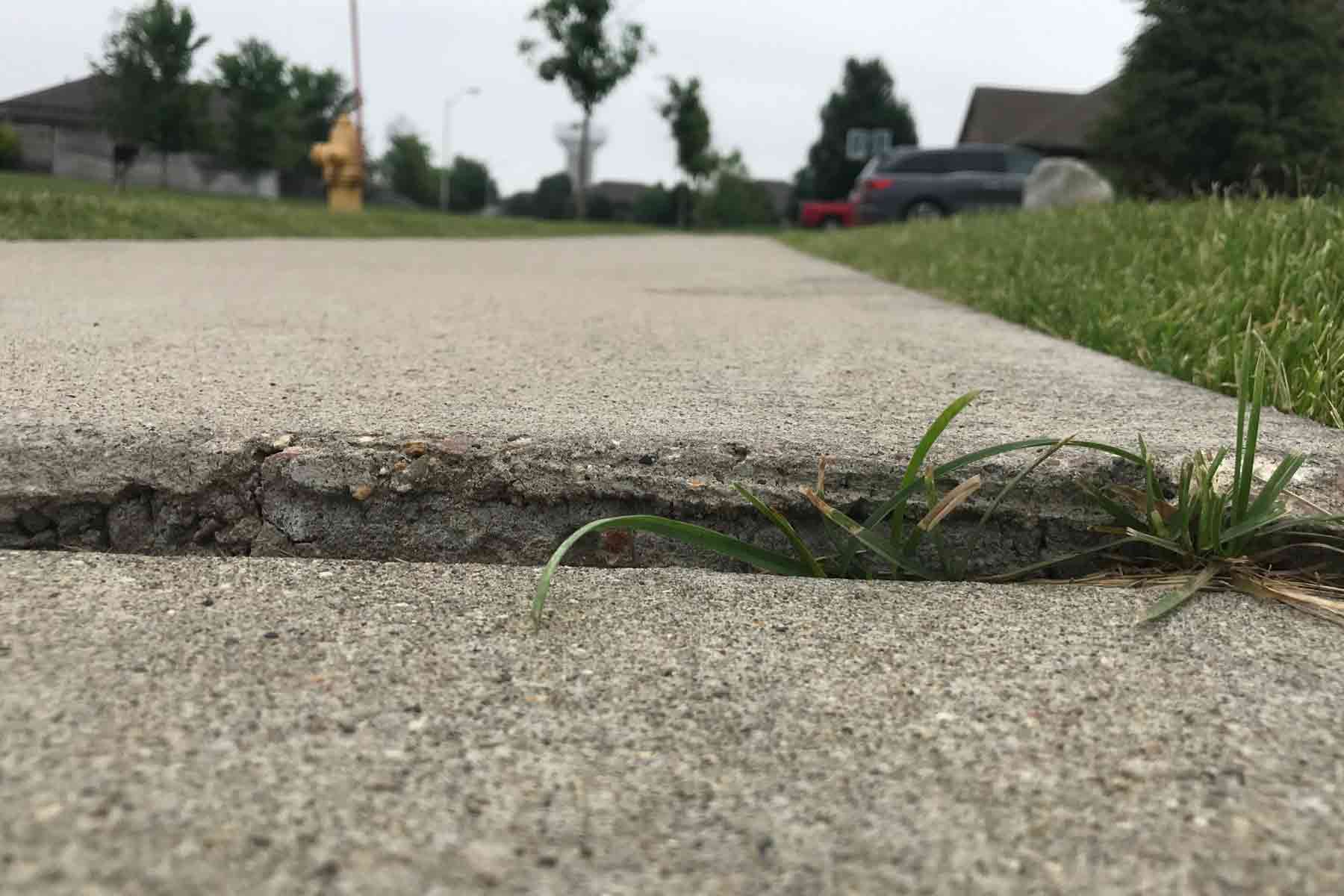
Uneven surfaces that create tripping hazards near entryways or walkways
Gaps between slabs or separation from your home's foundation
Pooling water on concrete surfaces after rain
Doors and windows that stick or won't close properly
Cracks developing in adjacent concrete or foundation walls
Settlement of 1 inch or more from the original level
Waiting allows water infiltration and further erosion, which can increase the cost of polyjacking or necessitate complete replacement.
Polyjacking FAQs
Is polyjacking worth the cost?
Polyjacking is worth the cost for most sunken concrete repairs because it's faster, less disruptive, and often more durable than alternatives. The lightweight foam won't add stress to compromised soil, and you can use the surface within hours.
How long does polyjacking last?
Polyjacking lasts 10 to 15 years or longer when properly installed and maintained. The polyurethane foam is moisture-resistant, won't wash out or deteriorate like mudjacking slurry, and maintains its structural integrity over time. Addressing underlying drainage issues helps maximize the lifespan of your repair.
Does insurance cover polyjacking?
Homeowners insurance typically doesn't cover polyjacking costs because concrete settling is considered normal wear and tear or a maintenance issue. However, if settling resulted from a covered event like a plumbing leak or sudden ground shift, your policy might provide partial coverage. Check with your insurance provider about your specific situation.
Getting estimates for polyjacking
When searching for a polyjacking service near you, follow these tips to ensure you receive accurate, comparable quotes:
Get at least three estimates from licensed contractors to compare pricing and approaches.
Request on-site evaluations rather than phone quotes for accurate assessments.
Ask for itemized quotes that break down material, labor, and additional costs.
Verify licensing and insurance to protect yourself from liability.
Check their reviews on HomeGuide and Google and ask for references from similar jobs.
Get everything in writing, including warranties, timelines, and payment schedules.
Understand the warranty coverage for both materials and labor.
Ask about financing options if you need to spread out payments.
Questions to ask a concrete contractor
Ask these important questions before hiring a contractor for your polyurethane concrete lifting project:
How many years of experience do you have with polyjacking?
Are you licensed and insured to do concrete lifting?
What type and brand of polyurethane foam do you use?
Can you provide references from recent similar projects?
What does your warranty cover and for how long?
How do you determine how much foam is needed?
Will you address the underlying cause of settling?
What is your timeline for completing the work?
Do you offer any guarantees on your work?
What happens if the concrete settles again?
Are there additional costs I should anticipate?
How long before I can use the surface after repair?
Using our proprietary cost database, in-depth research, and collaboration with industry experts, we deliver accurate, up-to-date pricing and insights you can trust, every time.